When it comes to water supply systems, consistency and safety aren’t optional—they’re essential. That’s exactly where awwa standards step in. Created by the American Water Works Association, these standards establish the technical foundation for materials, processes, and practices used in water systems across the globe.
This article breaks down what awwa standards are, how they’re categorized, why they matter for water projects, and how they compare to other standards like ASTM or ISO. You’ll also find the latest updates for 2025, helping you stay aligned with the most current requirements.
What Are AWWA Standards
awwa standards are a set of technical requirements designed to ensure water supply systems meet strict safety, reliability, and quality benchmarks. Developed by the American Water Works Association (AWWA), these standards are widely recognized and adopted by municipalities, contractors, and engineers.
They are continuously updated through a committee-based process, combining expert knowledge, scientific research, and industry feedback. This ensures they stay relevant with evolving technologies and global demands.

Key Categories of AWWA Standards
Pipe Standards (Steel, Ductile Iron, PVC, HDPE)
These standards specify requirements for manufacturing, testing, and installing different types of water pipes, ensuring compatibility and durability in diverse projects.
Valve and Fitting Standards
Covering everything from design to pressure ratings, valve and fitting standards guarantee secure and leak-free performance.
Water Treatment and Storage Standards
From storage tanks to treatment chemicals, these standards ensure processes meet health and safety regulations, minimizing contamination risks.
Testing and Quality Control Standards
Protocols for testing water quality, verifying product performance, and ensuring materials comply with strict guidelines.
Why AWWA Standards Matter in the Water Industry
Ensuring Safe Drinking Water
Public health depends on water systems designed with awwa standards, as they minimize risks of contamination.
Guaranteeing Consistency and Quality
Standardization means engineers and contractors can rely on predictable performance across different projects.
Supporting Regulatory Compliance
Most regulatory bodies reference awwa standards when approving designs, installations, and certifications.
Facilitating International Trade and Projects
By aligning with global expectations, these standards allow equipment and systems to be recognized beyond the U.S.

Benefits of Implementing AWWA Standards
- Improved safety and reliability in water infrastructure
- Long-term cost savings through standardized practices
- Easier project approvals and certifications
- Greater trust and credibility within the industry
AWWA Standards vs Other Standards (ASTM, ANSI, ISO)
While awwa standards focus specifically on the water sector, ASTM covers broader materials testing, ANSI provides overarching U.S. system guidelines, and ISO is internationally recognized. Choosing which to use depends on project requirements, regulatory jurisdiction, and whether international alignment is necessary.
Latest Updates and Trends in AWWA Standards (2025)
The newest revisions include expanded coverage for HDPE pipelines, improved testing protocols for valves, and guidelines addressing digital monitoring technologies. These updates reflect the industry’s shift toward smarter, more sustainable water systems.
The Final Word on AWWA Standards
Ultimately, awwa standards aren’t just technical checklists—they’re the backbone of reliable and safe water systems. By adopting them, engineers and contractors ensure compliance, efficiency, and trust across every project.
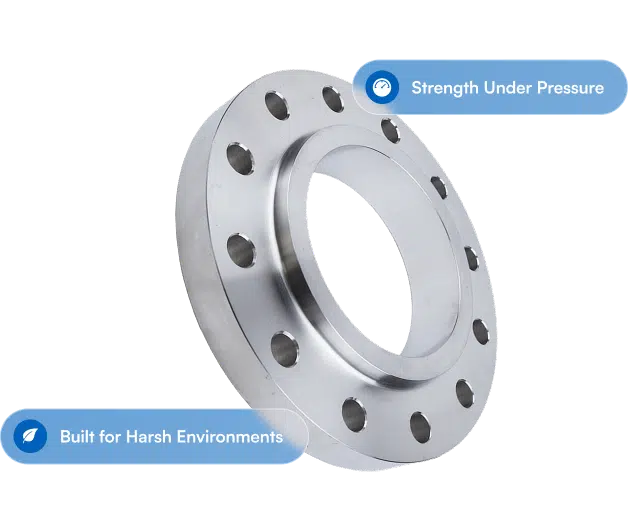
👉 Looking for flange solutions built to meet these standards? Explore Texas Flange and our specialized AWWA flanges today. 💧⚙️