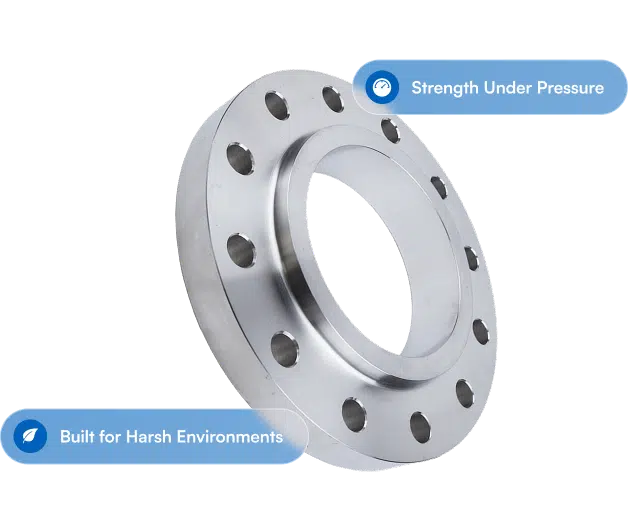
Piping Systems
Flanges play a crucial role in connecting pipes across various industries, such as oil and gas, chemical, or even water treatment.
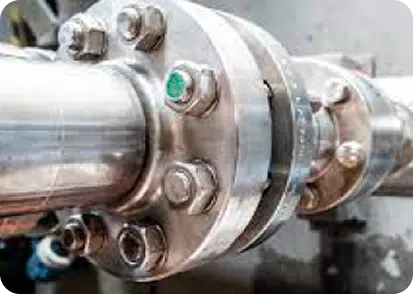
Flanges provide a reliable and efficient way to connect pipes and other components. Additionally, they help ensure the security of the system.
Per Merriam Webster, “A rib or rim for strength, for guiding, or for attachment to another object”.
In layman’s terms, a flange is a part that allows two objects to be mated together through various processes. (Pipe to Pipe, Pipe to Tank, Pressure Vessel to……etc)
A flange serves as a protruding rim or collar employed to link two pipes or other constituent parts. Flanges are typically made of metal but can also be made of plastic or other materials.
Flanges play a crucial role in connecting pipes across various industries, such as oil and gas, chemical, or even water treatment.
Flanges are also used to connect components in machinery, such as engines and turbines.
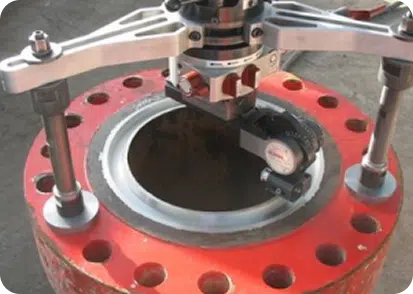
Flanges, such as bridges and buildings, are also used in structural applications.
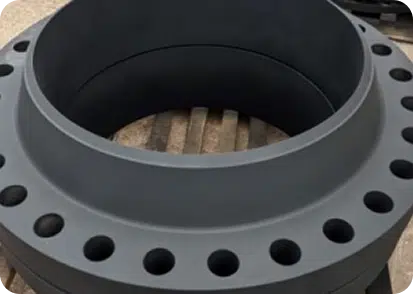
Flanges are typically classified by their type, size, and material. The flange type depends on the application and the type of connection required.
The size of the flange is determined by the diameter of the pipe or other component it will be connecting. The application and the environmental conditions determine the flange’s material to which it’ll be exposed.
Flanges are an important part of many engineering systems. They provide a reliable and efficient way to connect components and transfer fluids and gases.
Texas Flange stocks a wide variety of flanges in all sizes and specifications.
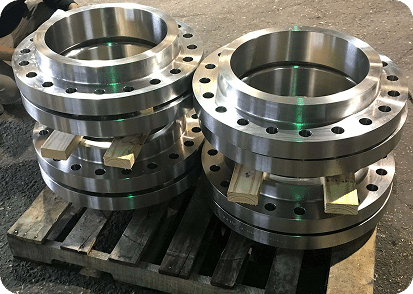
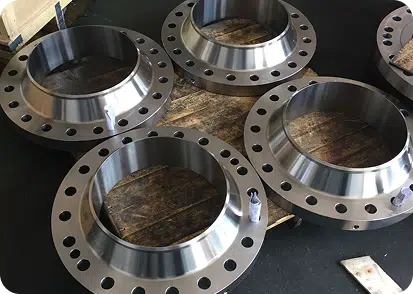
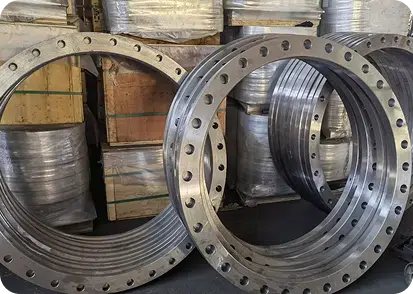
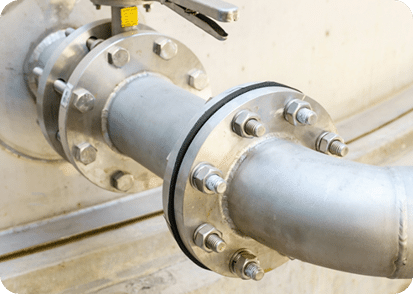

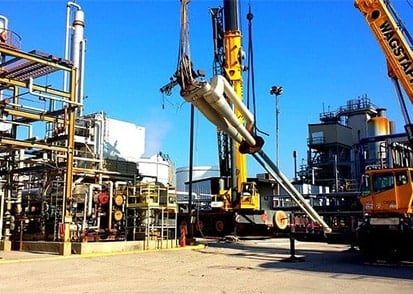
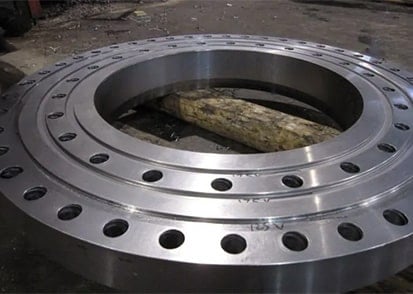
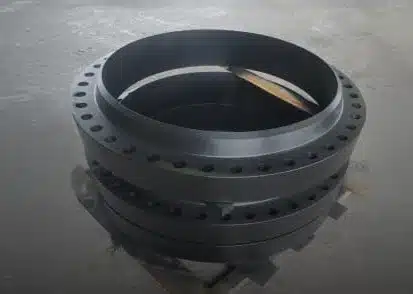
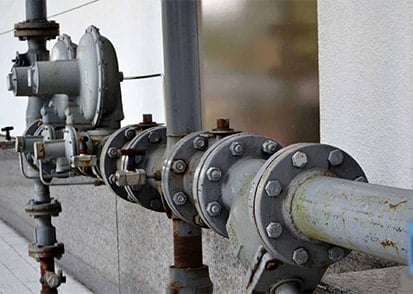
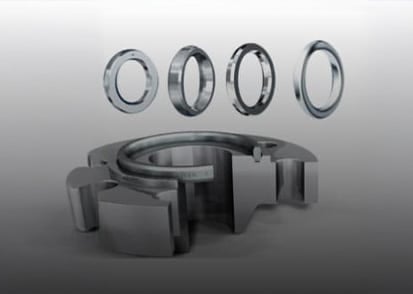
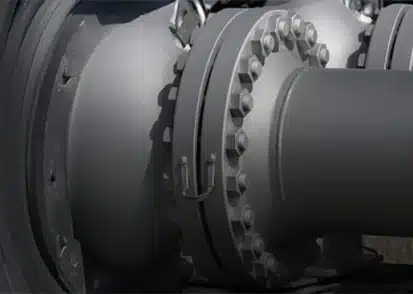
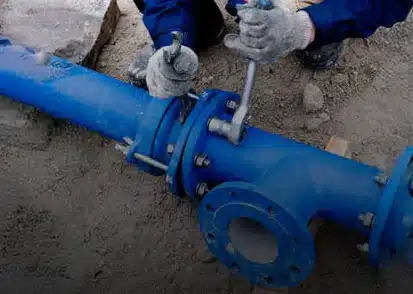
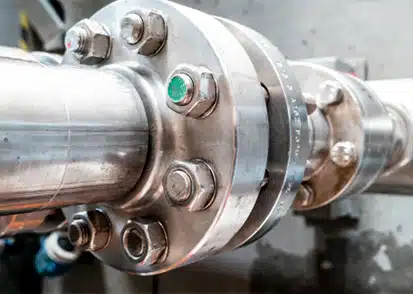
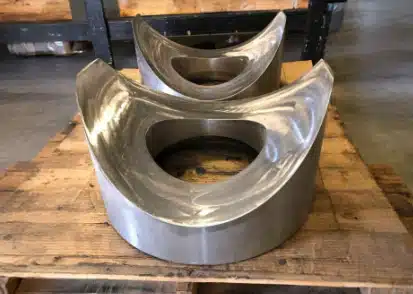

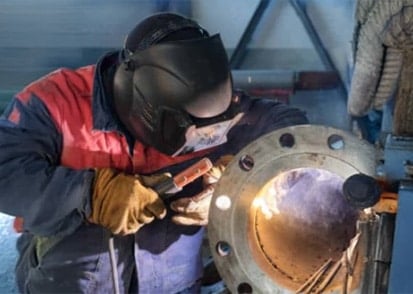
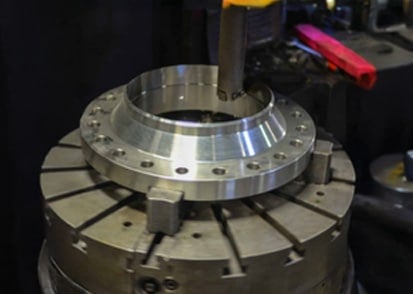
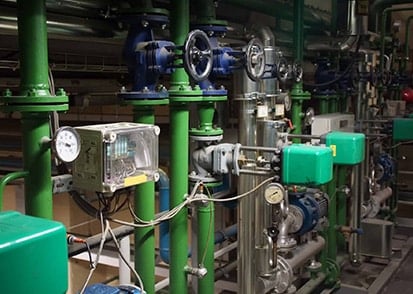
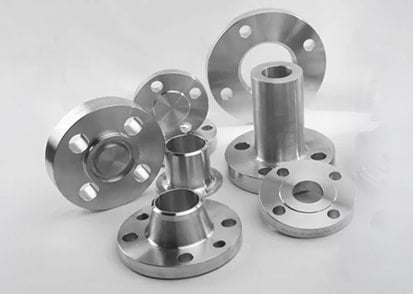
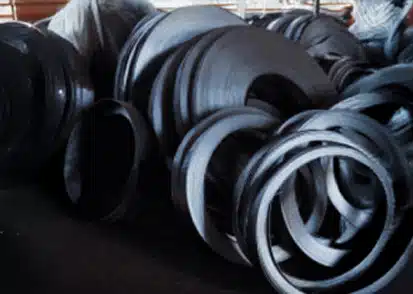
In conclusion, selecting the right flange type is essential for ensuring safety, efficiency, and durability in any piping system. Weld neck flanges, known for their strength and reliability, are ideal for handling higher pressures due to their seamless connection via butt welds.
Other options, such as slip-on or lap joint flanges, cater to specific applications where flexibility or cost savings are priorities. Each flange type offers unique advantages depending on your system’s needs.
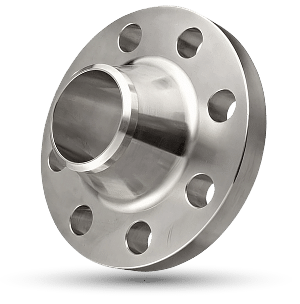
Our most frequently requested flange, the Weld Neck Flange features a neck extension and weld bevel. Provides a natural form connection ideal for larger, high-pressure applications…
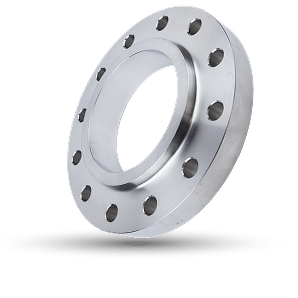
A simple alternative to the Weld Neck flange, a Slip On Flange is designed to accept the pipe into the center/bore, allowing welding around the outer diameter of the pipe…
Designed to cap off a line, a Blind Flange has no bore or inner diameter. They are often altered to include NPT threads or custom bore holes to function as hubless Slip On flanges…

Socket Weld Flanges feature a recess in the bore to accept pipe insertion before a single fillet weld is applied around the outer joint. Ideal for smaller, high-pressure piping…
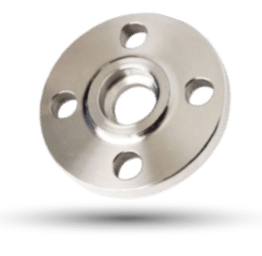
Threaded or Companion Flanges contain a female NPT threaded center for connection to male threaded piping. These flanges are commonly implemented in reducing connections…
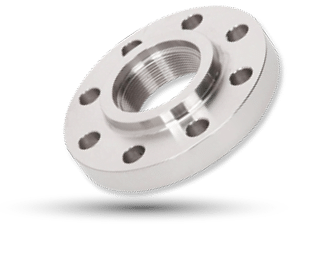
Lap Joint Flanges are intended to saddle over a stub end fitting. They feature an extended hub and a machined radius at the base of the flat face…
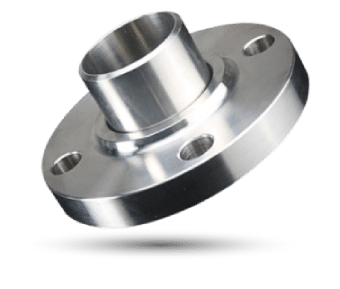
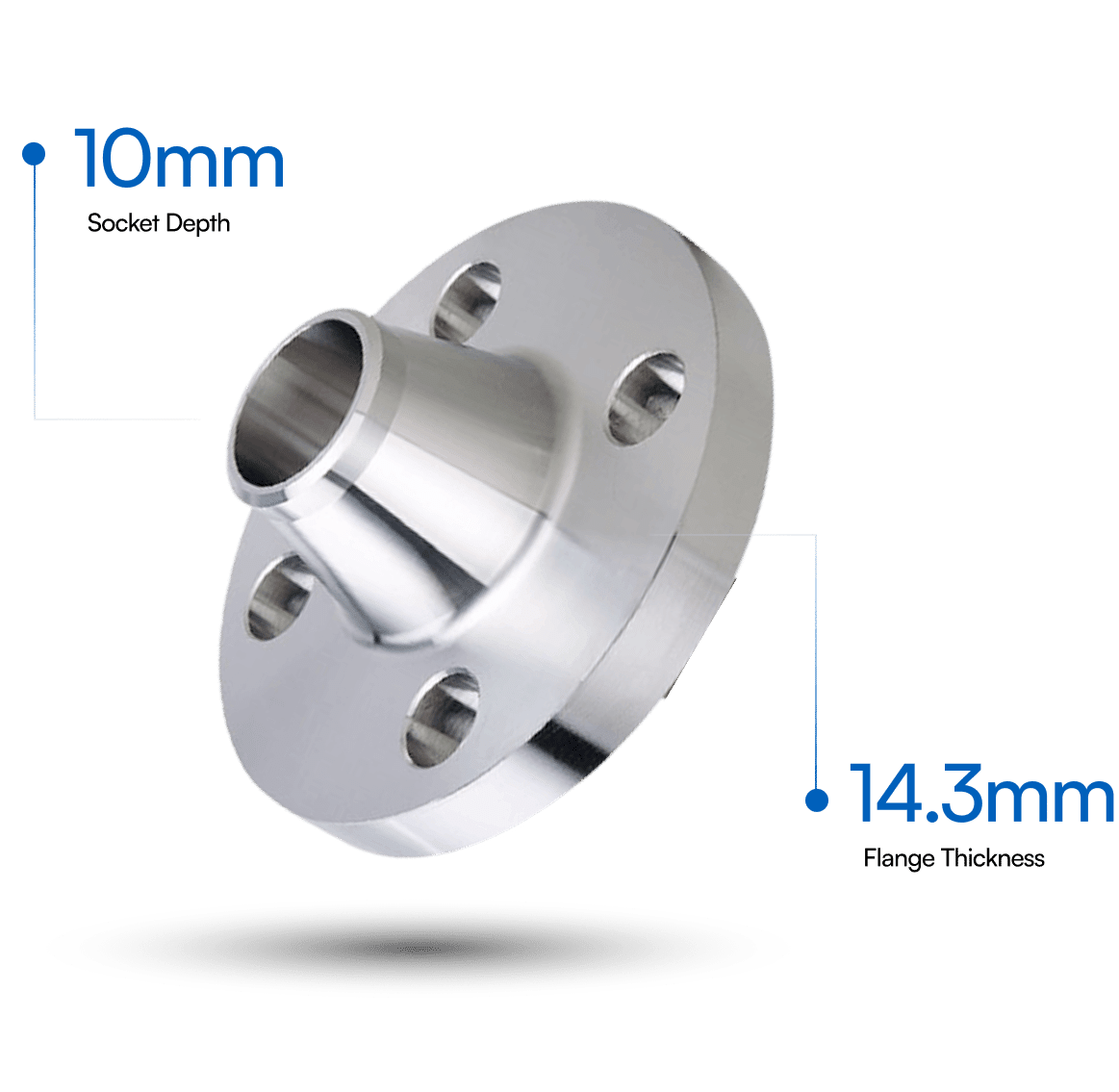
Raised Face (RF): Features a small raised area around the bore for better gasket compression, commonly used in high-pressure applications.
Flat Face (FF): A flat surface across the flange face, suitable for low-pressure systems and softer gasket materials.
Ring Type Joint (RTJ): Features a grooved face that accommodates a metallic ring gasket, designed for high-pressure and high-temperature environments.
Since 1986, Texas Flange has delivered precision Flange solutions with speed, affordability, and expertise. Let’s discuss your project today!