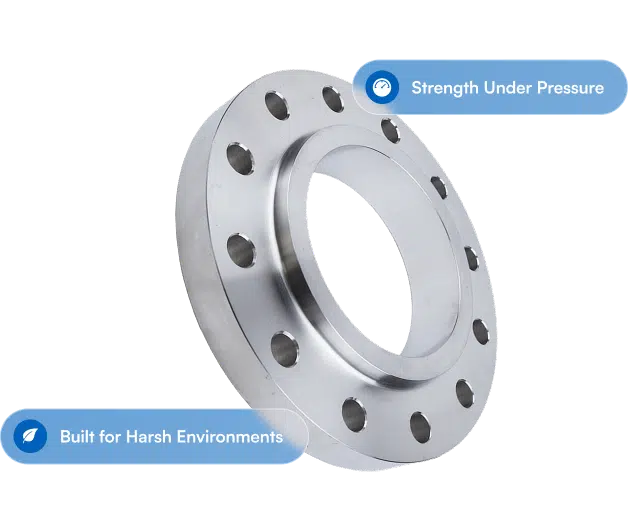
In the world of industrial piping, selecting the right type of flange is essential for safety, functionality, and efficiency. One of the most widely used flange types is the Blind Flange. Known for its ability to terminate pipelines and isolate sections of systems, the Blind Flange plays a vital role in many industries, from petrochemical to water treatment.
What is a Blind Flange?
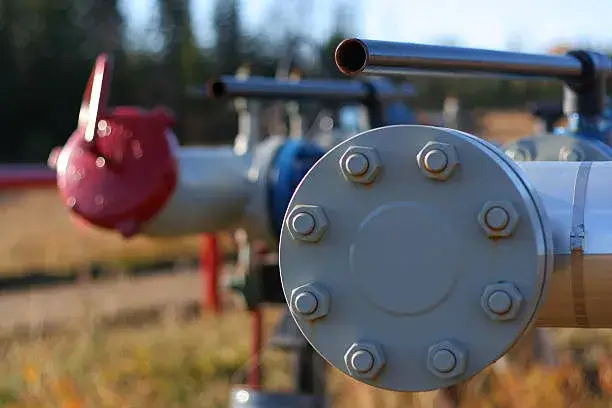
A Blind Flange is a type of pipe flange with no opening in the center. It is bolted into place to close off the end of a piping system or vessel. Commonly used in high-pressure applications, it allows for easy access to closed-off sections when disassembly or system expansion is needed. This makes it an essential component in industries where system integrity and operational safety are top priorities.
Types of Blind Flanges
Blind Flanges come in various designs to suit different operational needs. The most common types include:
- Raised Face Blind Flanges
- Flat Face Blind Flanges
- Ring-Type Joint Blind Flanges
Each type is chosen based on pressure requirements, sealing methods, and the specific type of piping or vessel being used.
Materials Used for Blind Flanges
The performance and durability of a Blind Flange are directly tied to the material from which it is made. Common materials include:
- Carbon steel
- Stainless steel
- Alloy steel
- Duplex steel
The choice of material depends on factors such as temperature, pressure, and the type of fluid being transported. For corrosive environments, stainless steel blind flanges are often preferred due to their resistance to rust and chemical damage.
How Blind Flanges Are Manufactured
The manufacturing of Blind Flanges typically involves forging or casting, depending on the application and material strength needed. Forged blind flanges are known for superior strength and durability, making them ideal for high-pressure systems. On the other hand, cast flanges offer greater flexibility in design and are often used in lower-pressure environments.
Applications of Blind Flanges
Blind Flanges are used across a wide range of industries, including:
- Oil and gas
- Chemical processing
- Power generation
- Pharmaceuticals
- Food and beverage
They are especially important in applications where pipelines must be temporarily or permanently sealed without the risk of leaks.
Advantages of Using Blind Flanges
There are several benefits to using Blind Flanges:
- Allow for pressure testing of pipe sections
- Enable future expansion of piping systems
- Provide safe system isolation
- Reduce maintenance downtime
Their versatility makes them a cost-effective and essential component in most piping systems.
How to Choose the Right Blind Flange
Choosing the correct Blind Flange requires careful consideration of:
- Pressure rating (e.g., ANSI, ASME standards)
- Material compatibility
- Gasket and sealing type
- Flange face type
When in doubt, consult with an expert supplier to ensure your selection meets the application requirements and industry standards.
Blind Flange Installation and Maintenance
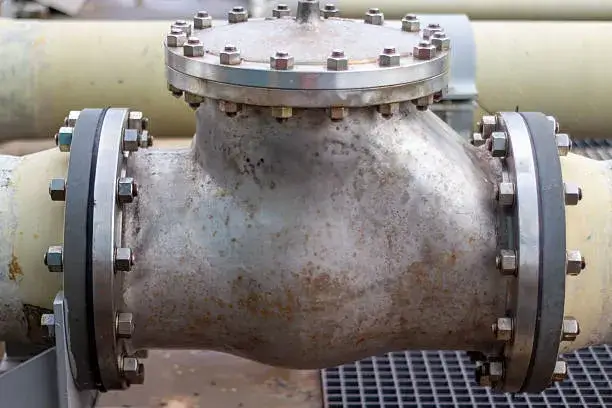
Proper installation is crucial to ensure leak-proof sealing. Maintenance involves regular inspection for corrosion, stress cracks, and gasket wear. Replacing a worn or damaged Blind Flange is vital to maintain system integrity and safety.
Blind Flange Pressure Ratings and Standards
Blind Flanges must meet recognized industry standards such as ANSI, ASME, and DIN. These standards define the pressure classes, dimensions, and testing methods, ensuring compatibility and safety across systems.
Blind Flange vs. Other Flange Types
Unlike slip-on or weld neck flanges, which allow fluid flow, the Blind Flange is used specifically for sealing. Its main purpose is not to connect two sections of pipe, but rather to terminate or isolate them. This makes it irreplaceable in certain maintenance and inspection operations.
Common Mistakes to Avoid When Using Blind Flanges
Some frequent errors include:
- Choosing the wrong pressure class
- Using incompatible gasket materials
- Ignoring corrosion resistance needs
- Improper torque application during installation
Avoiding these mistakes helps prevent system failures and unnecessary expenses.
The Final Word On Blind Flanges
The Blind Flange is a fundamental component in modern piping systems, offering unparalleled functionality in sealing, isolation, and maintenance applications. From selecting the right material to ensuring proper installation, every detail matters when it comes to safety and performance.
Whether you’re operating in the petrochemical industry, food processing, or water treatment, a high-quality Blind Flange is critical to your system’s success.
Looking to source reliable Blind Flanges? Texas Flange offers a wide variety of flange types and sizes to suit your specifications. Visit their dedicated page on Blind Flanges to explore product options and standards.
🔧 Request a quote today and ensure top quality for your project.