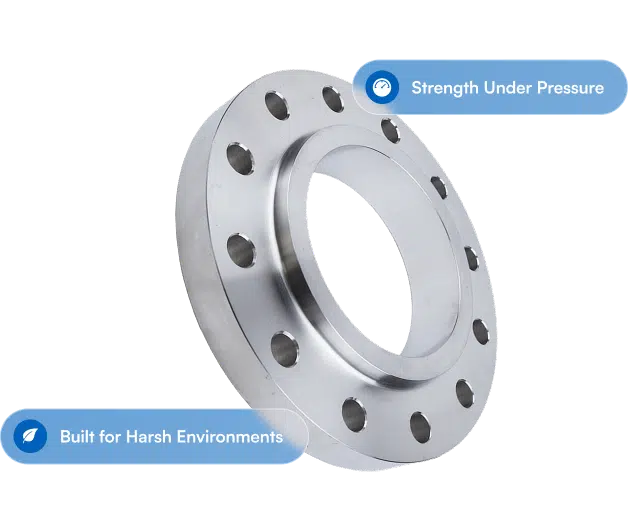
What Are ASME Flanges Made Of?
ASME flange materials play a crucial role in ensuring the strength, durability, and performance of piping systems across industries. Defined by ASME B16.5 flange material standards, these components are manufactured from a wide range of metals to meet specific mechanical and environmental requirements. Whether it’s for high-pressure environments or corrosive media, the right material selection guarantees system integrity and long service life.
Importance of Material Selection in Flange Performance
The performance of ASME flanges is heavily dependent on the material used. Each application demands specific properties, including tensile strength, temperature resistance, and corrosion protection. Choosing suboptimal materials can lead to system failures, increased maintenance costs, and safety risks.
Factors Influencing Material Choice
Several factors affect the selection of ASME flange materials, such as:
- Pressure rating: Each system requires materials capable of withstanding its exact operating pressure. If the pressure exceeds the material’s capacity, leaks or structural failures may occur. For high-pressure systems, alloy steel or duplex stainless steel is commonly used.
- Operating temperature: Materials must retain their shape and strength even under constant temperature fluctuations. Choosing the wrong material can lead to deformation, loss of sealing, or connection failure.
- Corrosion resistance: In environments with chemical agents or saltwater, corrosion poses a direct risk to safety and durability. Stainless steel and nickel alloys provide superior protection in such conditions.

Common Materials Used in ASME Flanges
Carbon Steel Flanges (A105, A350)
Among the most commonly used ASME flange materials, carbon steel offers excellent strength and affordability. Grades like A105 and A350 are ideal for ambient and high-temperature services. These flange materials are also compatible with ANSI flanges and DIN standards in many systems.
Stainless Steel Flanges (304, 316)
Grades 304 and 316 provide superior corrosion resistance and are widely used in food processing, chemical plants, and offshore applications. These ASME flange materials are known for their durability in aggressive environments.
Alloy Steel Flanges (F11, F22)
Alloy steel flanges like F11 and F22 (low chrome) are engineered for high-pressure and high-temperature applications, especially in power generation and oil & gas sectors. Their improved mechanical properties make them a reliable option for challenging environments.
Duplex and Super Duplex
These ASME flange materials offer a mix of strength and corrosion resistance, with enhanced durability in marine and subsea operations. Super duplex grades are often chosen for longer service life in chloride-rich conditions.
Nickel Alloys (Inconel, Monel)
Known for exceptional resistance to extreme heat and corrosion, nickel alloys such as Inconel and Monel are ideal for chemical processing and high-temperature systems.
Other Specialized Materials (Titanium, Copper-Nickel)
Materials like titanium and copper-nickel provide the specialized properties needed for the unique challenges present in industries like aerospace, desalination, and marine engineering.
Applications Based on Material Type
Oil & Gas
Durable ASME flange materials like alloy and carbon steel are commonly used in exploration and refining due to their high strength and pressure ratings.
Chemical Processing
This industry often requires stainless steel and nickel alloy flanges to withstand corrosive chemicals and fluctuating temperatures.
Marine & Offshore
In saltwater environments, super duplex and copper-nickel materials are favored for their superior resistance to corrosion.
Power Generation
High-temperature materials like F11 and F22 alloy steels are essential in steam and gas turbine systems where basic carbon steel won’t suffice.
Choosing the Right Flange Material for Your Project
Tips for Engineers and Buyers
- Understand the operating environment before selecting ASME flange materials.
- Prioritize corrosion resistance in chemical and marine settings.
- Check compatibility with other standards like DIN or ANSI flanges.
Cost vs. Performance Trade-Offs
While some materials may offer high performance, their cost can be significantly higher. Engineers must balance performance requirements with budget constraints to select the most cost-effective solution.
Why Working With a Reliable Flange Supplier Matters
Material selection is not just about specs—it’s about trust. Working with a reliable supplier like Texas Flange ensures access to certified ASME flange materials tailored to your project needs. Whether you’re looking for carbon steel flanges, stainless steel options, high-performance alloy flanges, or corrosion-resistant duplex flanges, their team can help guide your selection.
Explore the full ASME flange catalog or reach out to our engineering experts for personalized recommendations.
Contact Texas Flange today for expert support and secure the best materials for your project.