Flange Maintenance 101: Prevent Rust & Corrosion Effectively
Flange Maintenance 101: Your Complete Guide to Preventing Rust and Corrosion
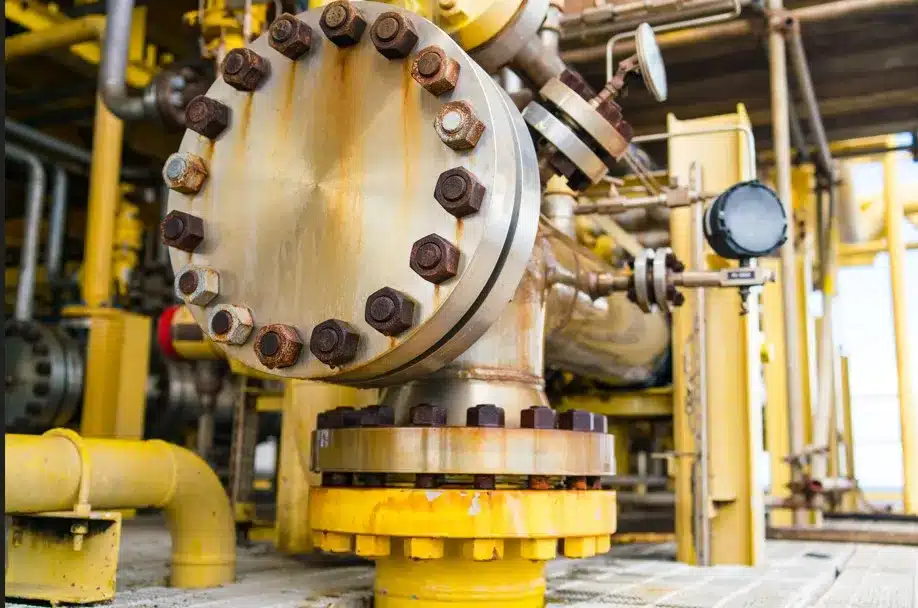
Critical piping integrity in oil & gas, petrochemical, waterworks, and process plants relies on industrial flange assemblies. However, corrosion can significantly shorten their lifespan and compromise safety. Today’s operators face escalating downtime costs, NACE estimates global corrosion losses at a staggering USD 2.5 trillion. Therefore, understanding flange rust mechanisms and implementing effective prevention strategies offers substantial returns. This guide delves into the various types of corrosion affecting flanges, details targeted mitigation tactics, outlines inspection and repair methodologies, explores industry-specific maintenance challenges, and highlights the economic and safety advantages of proactive care. Alongside expert technical insights, we showcase how Texas Flange’s ANSI, API, and AWWA carbon steel, stainless steel, and alloy flanges ensure dependable, long-term performance. We invite you to request a custom quote for our corrosion-resistant solutions.What Are the Most Common Types of Flange Corrosion?

What Are the Main Types of Flange Corrosion Affecting Industrial Flanges?
Flange corrosion can appear in several forms, each degrading sealing surfaces and compromising joint integrity. Identifying pitting, crevice, galvanic, and stress corrosion cracking is crucial for targeted inspection and remediation, thereby preventing leaks and extended downtime. Each of these mechanisms stems from distinct electrochemical or mechanical interactions occurring at the flange interface.
What Is Pitting Corrosion and How Does It Affect Flanges?
Pitting corrosion manifests as small, deep cavities on a flange face, typically occurring when protective oxide films break down due to exposure to chlorides or sulfides. These pits concentrate stress, promoting crack initiation under load, which can compromise seal integrity and lead to localized leaks. Regular monitoring for pits and selecting alloys with higher Pitting Resistance Equivalent Numbers (PREN) are crucial steps to mitigate this risk and maintain optimal flange performance.
How Does Crevice Corrosion Develop on Industrial Flanges?
Crevice corrosion thrives in narrow gaps, such as those found between flange surfaces, gaskets, or bolt heads, where stagnant fluid can lead to oxygen depletion and the concentration of aggressive ions. This confined environment erodes passive films and accelerates metal attack, particularly on carbon steel. Preventive measures include eliminating tight gaps, utilizing corrosion-resistant gasket materials, and ensuring thorough cleaning to remove any accumulating deposits.
Gasket Materials and Crevice Corrosion in Stainless Steel Flanges
Both carbon and graphite are employed in gasket manufacturing. The study investigates the influence of gasket material and other variables on the crevice corrosion process, without specifically qualifying any particular gasket.
Gasket materials and other factors influencing the crevice corrosion resistance of stainless steel flanges, 1998
Research indicates that gasket materials play a significant role in the development of crevice corrosion on stainless steel flanges.
What Causes Galvanic Corrosion Between Flange Materials?
Galvanic corrosion occurs when two dissimilar metals come into contact through an electrolyte, creating an electrochemical cell where the less noble metal corrodes more rapidly. For example, a carbon steel flange connected to a stainless steel gasket stud will experience accelerated corrosion if an insulating barrier is absent. Isolating dissimilar metal pairs with non-conductive washers and coatings effectively prevents this reaction.
Which Other Corrosion Types Threaten Flange Integrity?
In addition to localized and galvanic attack, flanges are susceptible to chemical corrosion from acids or alkalis, atmospheric corrosion in humid outdoor settings, stress corrosion cracking under tensile stress in corrosive media, and microbiologically influenced corrosion caused by bacteria or fungi. Each of these mechanisms degrades flange surfaces in unique ways, necessitating tailored inspection and mitigation strategies.
How Do You Select Corrosion-Resistant Flange Materials?
Selecting the appropriate flange material requires a careful evaluation of the corrosive media, operating temperature, and pressure conditions. The goal is to balance cost, mechanical properties, and corrosion resistance to minimize maintenance needs and operational downtime. Stainless steels (grades 304, 316) are suitable for mildly acidic or chloride-rich environments, while duplex and alloy steels offer superior performance in high-stress, high-chloride applications. Nickel alloys and titanium are the go-to choices for extreme chemical attack and elevated temperatures. The table below outlines key material properties for common scenarios.
| Material | Corrosion Resistance | Typical Applications |
|---|---|---|
| Stainless Steel | Moderate to high in acids | Water treatment, chemical piping |
| Duplex Stainless | Very high in chlorides | Desalination, offshore, process |
| Nickel Alloys | Excellent in hot acids | Refining, acid regeneration |
| Titanium | Superior in oxidizing media | Seawater, sulfuric acid |
Matching flange material precisely to service conditions is fundamental to achieving long-term reliability and preventing premature failure.
What Are the Advantages of Stainless Steel Flanges in Corrosive Environments?
Stainless steel flanges benefit from a passive chromium oxide film that provides a protective shield against corrosion in mildly acidic or chloride-containing fluids. Grades 304 and 316 offer excellent weldability and mechanical strength up to 600 °F, making them highly versatile for waterworks, food processing, and light chemical applications. Regular monitoring for pitting and crevice initiation is essential to maximize their service life.
When Should You Choose Alloy Steel or Duplex Stainless Steel Flanges?
Alloy steels and duplex stainless steels are the preferred choice when high mechanical strength and superior chloride resistance are paramount. Duplex grades, such as 2205 and 2507, combine ferritic and austenitic structures to deliver exceptional toughness and corrosion resistance in demanding high-pressure, high-temperature operations, including petrochemical cracking units and offshore modules.
How Do Nickel Alloys and Titanium Flanges Resist Corrosion?
Nickel alloys (e.g., 625, 825) provide robust resistance to concentrated acids and high temperatures, thanks to alloying elements like molybdenum and chromium. Titanium, with its stable passive film, ensures outstanding performance in both oxidizing and reducing media. These advanced materials enable safe operation in challenging environments like sulfuric acid plants, petrochemical units, and seawater systems up to 800 °F, though they come at a higher initial cost.
How to Match Flange Materials to Corrosive Media, Temperature, and Pressure?
The compatibility chart below serves as a guide for selecting flange materials based on specific service conditions. Use this resource to align alloy properties with your operating parameters.
| Media Type | Suitable Materials | Max Temp/Pressure |
|---|---|---|
| Seawater | Titanium, Duplex Stainless | 400 °F / 1500 psi |
| Sulfuric Acid | Nickel Alloys, Titanium | 300 °F / 1000 psi |
| Chlorinated | Duplex Stainless, 316 SS | 600 °F / 2000 psi |
| General Water | 304 SS, Carbon Steel (coated) | 400 °F / 1500 psi |
Accurate service data combined with expert guidance is essential for ensuring optimal material selection.
What Are the Best Practices for Industrial Flange Inspection and Cleaning?
Effective flange maintenance hinges on systematic inspection and cleaning protocols. A comprehensive program should integrate routine visual checks, non-destructive testing (NDT) methods, meticulous surface preparation, and thorough component assessment. Visual inspections are crucial for identifying rust spots, scale formation, and potential leak paths. Non-destructive techniques, such as ultrasonic thickness measurements and magnetic particle testing, are vital for detecting hidden corrosion and cracks. Cleaning flange faces before reassembly removes deposits that can trap moisture, while inspecting bolts, nuts, and gaskets helps prevent corrosion at critical sealing interfaces. Consistent adherence to these practices significantly reduces unplanned shutdowns and extends the operational life of your flanges.
How to Conduct Routine Visual Inspections for Rust and Corrosion?
Perform visual inspections at scheduled intervals, meticulously examining flange faces and bores for any signs of discoloration, pitting, or loose scale. Utilize magnification or borescopes for inspecting hard-to-reach crevices. Document all findings, including the date, location, and severity of any degradation. Early detection of surface issues is key to implementing preventive actions before leaks occur.
Non-Invasive Measurement of Flange Sealing Surface Corrosion
The project focused on examining the integrity of the flange sealing surface. Non-destructive inspection techniques can assist the corrosion engineer in confirming the integrity of pipe flanges.
Non-Invasive Measurement of Corrosion of Flange Sealing Surfaces, 2003
Non-destructive inspection techniques are invaluable for confirming the integrity of flange sealing surfaces without causing damage.
How Should You Clean Flange Faces and Prepare Surfaces Properly?
Clean flange faces using solvent degreasers, stiff brushes, and low-pressure water jets to effectively remove oils, scale, and rust. It’s important to avoid aggressive grinding that could alter the flatness of the sealing surface. After cleaning, apply rust inhibitors or temporary coatings until reassembly. Proper surface preparation is essential for ensuring effective gasket sealing and minimizing the potential for crevice formation.
Why Is Inspecting Bolts, Nuts, and Gaskets Critical for Corrosion Prevention?
Bolts, nuts, and gaskets are critical components that significantly impact seal integrity and can contribute to galvanic corrosion. Inspect fasteners for any signs of thread corrosion, apply appropriate anti-seize compounds, and always replace degraded gaskets with materials that are compatible with the service conditions. Tightening to the correct torque specifications is vital to prevent moisture ingress and electrochemical attack at the flange interface.
How Do Gasket and Bolting Strategies Prevent Flange Corrosion?

Optimizing gasket and bolting strategies is a cornerstone of effective flange corrosion prevention. Selecting the right gasket material ensures compatibility with the process media, temperature, and pressure. Proper bolt tightening sequences and torque values are essential for achieving uniform load distribution, which prevents leaks and the formation of corrosive crevices. Anti-seize compounds and lubricants protect fasteners from rust and facilitate easier disassembly during future maintenance. The strategic use of insulating washers and coatings can isolate dissimilar metals, thereby preventing galvanic cells. Collectively, these measures maintain seal integrity, extend flange lifespan, and significantly reduce corrosion risks across a wide range of service conditions.
Which Gasket Materials Are Best for Corrosive Media and Operating Conditions?
For highly corrosive environments, polytetrafluoroethylene (PTFE) and expanded graphite gaskets offer excellent resistance to strong acids. Spiral-wound gaskets with stainless steel cores and flexible fillers are ideal for high-pressure and high-temperature applications. Elastomeric gaskets, such as those made from Viton, are suitable for moderate chemical workloads and dynamic sealing requirements. Always align gasket selection with specific process parameters to prevent embedding and crevice formation.
Influence of Gasket Material on Flange Face Corrosion Behavior
This study examines the impact of three gasket materials on the corrosion behavior of 321 stainless steel flange material, employing a novel setup specifically engineered for…
Effect of gasket material on flange face corrosion, S Hakimian, 2024
The choice of gasket material significantly influences the corrosion behavior of flange faces, as demonstrated by studies on stainless steel.
What Is the Proper Bolt Tightening Sequence and Torque Specification?
When torquing flange bolts, always follow a star or crisscross pattern, applying torque in multiple stages-typically 30%, 60%, and finally 100% of the final specified torque. This sequence ensures even compression of the gasket and prevents flange face distortion. Utilize calibrated torque wrenches and consult manufacturer specifications for accurate preload values.
How Do Anti-Seize Compounds and Lubrication Help Prevent Corrosion?
Applying copper- or molybdenum-based anti-seize compounds to bolt threads and nuts creates a protective barrier against moisture and corrosive chemicals. This not only reduces the risk of galling but also enables more consistent torque application and simplifies future disassembly. Proper lubrication is also key to preventing fastener seizure in harsh operating environments.
How Can You Prevent Galvanic Corrosion at the Gasket Interface?
Prevent galvanic corrosion by isolating dissimilar metal contacts. This can be achieved through the use of non-conductive washers, polymeric gasket materials, or dielectric coatings applied to fasteners. These barriers effectively interrupt electrochemical pathways, ensuring that the less noble metal is not unduly attacked and preserving the integrity of the flange assembly.
What Protective Coatings and Encapsulation Methods Extend Flange Lifespan?
Applying protective coatings and encapsulation systems provides an essential additional layer of defense against atmospheric and chemical attack. Coatings such as epoxy, urethane, and zinc-rich primers shield the exterior surfaces of flanges, while temporary rust inhibitors protect them during storage and planned shutdowns. Encapsulation techniques involve using flexible polymer membranes or cementitious fillers to create a complete seal around flange joints. These methods effectively slow down moisture ingress, prevent underfilm corrosion, and reduce the frequency of maintenance interventions. Integrating advanced coating processes into your regular maintenance cycles is crucial for maximizing asset protection and ensuring long-term operational reliability.
| Coating Type | Performance Benefit | Application Method |
|---|---|---|
| Epoxy Primer | High chemical resistance | Spray or brush |
| Urethane Finish | UV and abrasion protection | Airless spray |
| Temporary Inhibitor | Short-term rust prevention | Dip or spray |
| Encapsulation Membrane | Full joint sealing | Hand-applied or injection |
What Types of Flange Protective Coatings Are Available?
Epoxy primers offer superior adhesion and chemical resistance, making them an excellent choice for process and marine environments. Urethane topcoats provide enhanced UV stability and abrasion resistance for exposed flanges. Zinc-based primers deliver effective cathodic protection in outdoor applications. Temporary inhibitors are ideal for use during maintenance pauses to prevent flash rust.
How Do Flange Encapsulation Systems Work to Prevent Corrosion?
Flange encapsulation systems utilize two-part polymer or cementitious compounds that are injected between flange faces or applied around bolting to form a continuous, moisture-tight barrier. This method effectively eliminates oxygen penetration and prevents localized underfilm corrosion in hard-to-reach areas.
What Are the Best Practices for Applying Protective Coatings?
Ensure that surfaces are meticulously cleaned to a near-white metal standard, using abrasive blasting or solvent cleaning methods. Apply coatings within the recommended temperature and humidity ranges, strictly adhering to the manufacturer’s guidelines for dry film thickness. Periodically inspect the coating integrity and reapply as necessary to maintain protection.
What Are the Benefits of External Flange Protection in Harsh Environments?
External protection can reduce on-site corrosion rates by as much as 90 percent, significantly minimizing unplanned interventions and extending maintenance intervals. It effectively shields flanges from damaging elements like salt spray, chemical splashes, and UV exposure, ensuring reliable performance in demanding offshore, chemical processing, and water treatment facilities.
When Should You Repair or Replace Corroded Flanges?
The decision to repair or replace a corroded flange depends on a careful assessment of the extent of damage, critical safety requirements, and overall cost implications. Minor surface corrosion or shallow pitting can often be addressed through on-site machining, abrasive cleaning, or restoration with polymer composites. However, severe wall thinning, cracking, or distortion-particularly in pressure-critical systems-mandates full flange replacement. Evaluating the remaining wall thickness, corrosion depth, and operational demands against detailed inspection data is crucial for making safe, economical decisions that uphold system integrity and ensure regulatory compliance.
How to Assess Flange Damage: Repair vs. Replacement Criteria?
Compare the measured corrosion depth against the allowable corrosion limits specified by relevant codes, such as ASME or API standards. If the remaining wall thickness falls below 90 percent of the original thickness, or if cracks exceed acceptable lengths, replacement is typically required. Otherwise, on-site machining or composite repairs can effectively restore functionality.
What On-Site Machining and Surface Restoration Techniques Are Available?
Portable flange facers are used to remove surface irregularities and restore flatness. Controlled machining can effectively eliminate minor pitting. For deeper defects, techniques like metal spraying or the application of epoxy fillers can rebuild flange faces and restore them to original tolerances without requiring full disassembly.
How Are Polymer Composite Materials Used for Flange Repairs?
Fiber-reinforced epoxy compounds are bonded to prepared flange faces to fill pits and seal cracks. These composites cure at ambient temperatures, restore mechanical strength, and offer excellent resistance to chemicals, providing a cost-effective alternative to metal replacement in lower-pressure systems.
When Is Welding or Full Replacement Necessary for Severely Corroded Flanges?
Welding overlays or the fabrication of new flange components become necessary when corrosion has penetrated bolt holes or caused through-wall thinning. Full flange replacement is mandated if cracks compromise the pressure-containing integrity of the flange or if the cost of repair approaches the expense of a new component.
How Can Flange Management Systems Ensure Long-Term Corrosion Prevention?
A well-structured flange management program integrates comprehensive documentation, meticulous tracking, optimized inspection schedules, and predictive analytics to maintain flange integrity over the long term. Key components include a detailed asset register, clearly defined inspection protocols, accurate NDT records, thorough torque analysis logs, and proactive coating maintenance plans. Digital tracking of flange assemblies and historical performance data facilitates effective lifecycle planning and risk mitigation. Predictive maintenance leverages corrosion rate trends and environmental monitoring to schedule interventions proactively, preventing failures before they occur. Partnering with a specialized flange provider like Texas Flange, which offers custom corrosion-resistant flanges and expert technical support, ensures that you receive tailored solutions and rapid response for any system modifications or replacements needed.
How Does Documentation and Tracking Improve Flange Maintenance?
Recording detailed flange specifications, inspection results, torque readings, and coating histories creates a comprehensive audit trail. This documentation helps identify recurring issues, informs continuous improvement efforts, optimizes budget allocation, and prevents unexpected failures.
What Role Does Predictive Maintenance Play in Flange Integrity?
By analyzing corrosion rate data, vibration patterns, and relevant environmental factors, predictive maintenance can accurately forecast remaining service life and schedule interventions precisely before critical thresholds are reached. This proactive approach minimizes downtime and extends service intervals.
How Does Texas Flange’s Houston-Based Expertise Support Custom Flange Solutions?
Texas Flange leverages its deep industry knowledge, extensive inventory of corrosion-resistant materials, and advanced custom manufacturing capabilities to provide rapid delivery of flanges engineered for the most demanding environments. Their expert technical guidance and robust traceability services ensure that every flange meets precise specifications and long-term performance requirements.
Extending flange lifespan and effectively preventing corrosion requires a synergistic combination of material expertise, rigorous inspection protocols, optimized sealing strategies, and systematic management. By integrating these best practices and leveraging specialized solutions from an experienced flange supplier, engineers and maintenance teams can achieve reliable, leak-free operations and realize significant cost savings throughout the asset lifecycle. For personalized recommendations on corrosion-resistant flanges and to request a quote, please contact the Texas Flange technical team today.