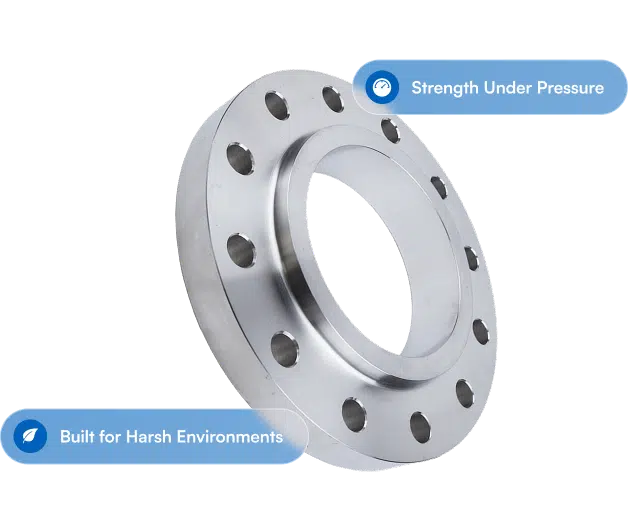
When designing or maintaining a piping system, one of the critical decisions you’ll face is choosing the appropriate type of connection: flanged or threaded flanges. These connection methods serve the same fundamental purpose—joining pipes together—but they do so in distinct ways with differing implications for performance, cost, and maintenance.
The right choice depends on several factors including system pressure, pipe size, and how easily the system needs to be disassembled for repairs or modifications.

Flanged or threaded flanges: When to use different types of pipe connections
What is a flanged connection?
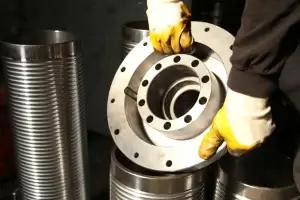
A flanged connection uses bolted rings—called flanges—that are attached to the ends of pipes. The flanges are then aligned and joined together using bolts, and usually a gasket to ensure a tight seal. This method creates a secure, leak-resistant connection.
Flanged and threaded connections are commonly found in high-pressure and high-temperature applications, such as those in chemical processing plants, oil refineries, and large-scale water treatment facilities.
One of the key advantages of flanged pipe joint is their strength and ability to withstand high pressure. Additionally, they allow for easier disassembly, which is especially useful in systems requiring frequent maintenance or inspection.
Their reusability and ability to accommodate various types of gaskets also add to their flexibility in demanding environments.
What is a threaded connection?
A threaded connection, on the other hand, involves screwing pipes together via male and female threads cut into the ends of the pipes or fittings. This type of connection is generally simpler and less expensive than flanged systems and is widely used in residential plumbing, small commercial systems, and other low-pressure applications.
Threaded connections are ideal for small-diameter piping connection types (typically under 2 inches) and are prized for their ease of installation. Since they don’t require specialized tools or components beyond a wrench and thread sealant, they are a go-to choice for basic plumbing jobs and temporary setups.
However, they are less robust than flanged vs threaded joints and are more prone to leaks over time, especially in systems with high vibration or thermal cycling.
Comparison between flanged vs threaded
|
Feature |
Flanged connection | Threaded connection |
| Pressure resistance | High | Low to medium |
| Pipe size compatibility | Medium to large | Small |
| Installation | Requires bolts and flanges | Screwed into place |
| Maintenance | Easy to disassemble | More difficult to disassemble |
| Cost | Higher | Lower |
This comparison shows that flanged connections offer superior performance in challenging environments but at a higher cost and complexity, while threaded connections are simpler and more economical but with limitations in strength and durability.
Which one should you choose
The choice between flanged and threaded connections should be guided by the specific needs of your application.
For high-pressure systems such as those found in chemical processing or industrial facilities, flanged connections are typically the best option due to their durability and ease of maintenance. They are also suitable when the system layout requires frequent disassembly or modification.
Conversely, threaded pipe joints are better suited for smaller, low-pressure systems where cost savings and installation speed are priorities. This includes residential water lines, temporary setups, and non-critical systems with minimal vibration and thermal stress.
Key decision factors include:
- Pressure rating: Choose flanged connections for high pressure; threaded connections for low pressure.
- Pipe size: Threaded for small diameters; flanged for medium to large.
- Ease of maintenance: Flanged connections are easier to inspect and repair.
- Budget constraints: Threaded connections are more economical upfront.
Selecting the right type of pipe connection between flanged vs threaded is essential to the safety, efficiency, and longevity of your piping system. Flanged connections provide superior strength and maintenance flexibility, making them ideal for demanding environments. Threaded connections, while more limited in application, offer simplicity and cost-effectiveness.
Need help selecting the right pipe connection for your system? Contact our Texas Flange team today.