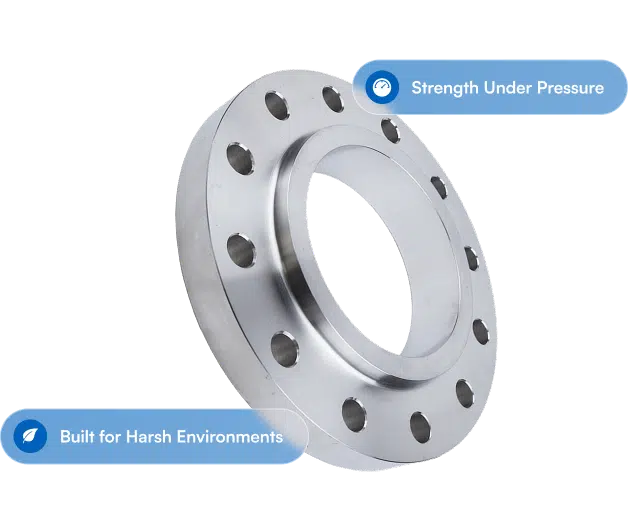
Choosing the right piping connection is critical for your specifications and system reliability. Understanding Flanged vs. Threaded Connections: What’s the Difference? will help you make smarter decisions for durability, installation, and cost efficiency. Let’s break it down and see which option works best for your setup.
What Are Flanged Connections?
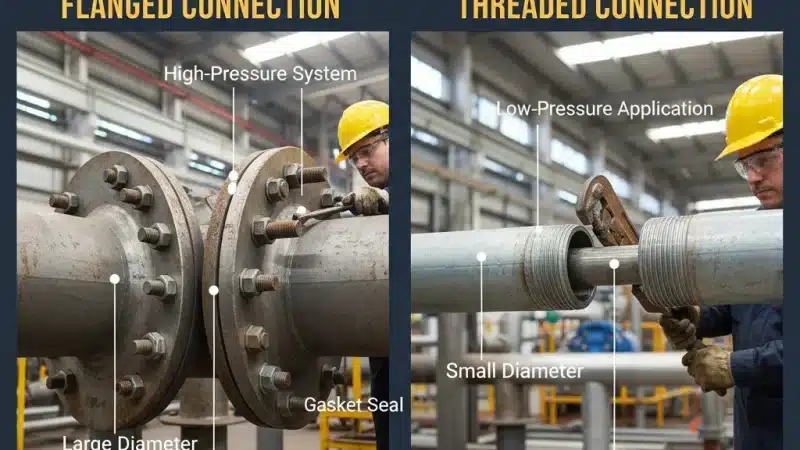
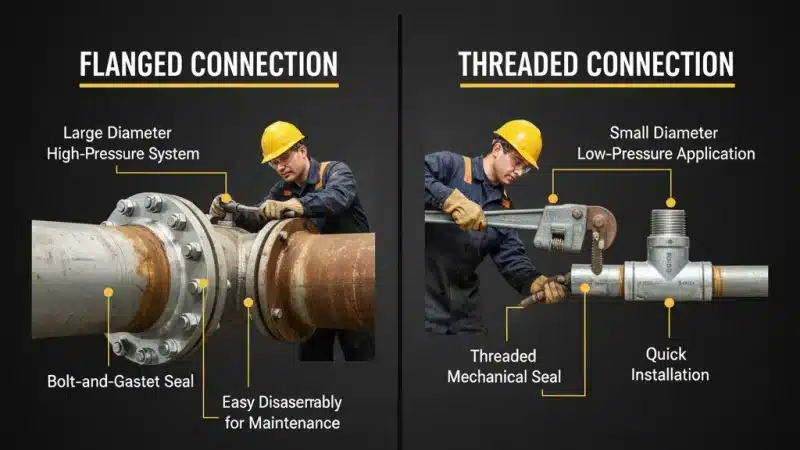
Flanged connections use a bolt-and-gasket system to join two pipes or connect a pipe to equipment. These flanges provide a secure seal while allowing easy disassembly for maintenance or future upgrades. Flanged connections are commonly found in:
- High-pressure systems
- Large-diameter pipelines
- Applications requiring frequent maintenance
One key advantage is that they allow your team to inspect and service the system without needing to cut or thread pipes, making them ideal for heavy-duty operations. For more options, check our Flange Connector.
What Are Threaded Connections?
Threaded connections involve screwing a pipe into a fitting, creating a mechanical seal. They are often used in smaller diameter systems or applications with low pressure.
Advantages include:
- Quick installation without welding
- No need for specialized tools
However, threaded connections have limits in high-pressure or high-temperature environments, which is why engineers often compare threaded vs flanged designs when deciding on the best setup. You can explore Threaded Flanges information for reference.
Advantages and Disadvantages
Strength and Durability
- Flanged connections provide superior strength and are more reliable under high pressure or heavy loads.
- Threaded connections are easier to install but will wear faster in high-stress environments.
Installation and Maintenance
- Flanged systems allow for easy disassembly, which is essential for maintenance-heavy setups.
- Threaded systems are faster to install, but any maintenance may require cutting or replacing parts.
Cost Comparison
- Flanged connections are more expensive upfront due to components and labor but save money in long-term maintenance.
- Threaded connections cost less initially but may result in higher long-term costs due to repairs or replacements.
Which One Should You Choose?
Deciding between Flanged vs. Threaded Connections depends on your system requirements:
- For high-pressure, large-diameter, or frequently maintained systems, flanged connections are the better choice.
- For small, low-pressure applications, threaded connections are cost-effective and quick to install.
Remember, comparing Flanged vs. Threaded Valve Connections will give additional insights for valves specifically, especially regarding durability and sealing performance.
Step-by-Step Considerations for Installation
Here’s a simple guide for ensuring proper installation of flanged or threaded connections:
- Check your specifications: Determine pressure, diameter, and material type.
- Select the correct standard: Follow ASME/ANSI standards, or design your own dimensions and check with an engineer to run calculations.
- Prepare surfaces: Ensure flanges or threads are clean and undamaged.
- Assemble components: For flanged connections, use proper bolt torque; for threaded, hand-tighten then use wrench as needed.
- Test the system: Pressurize carefully to check for leaks before full operation.
These steps will prevent common mistakes like getting a slip-on instead of a socket weld or using inappropriate torque.
⚙️ Ready to Upgrade Your Piping System with the Right Connection?
Understanding Flanged vs. Threaded Connections: ensures your piping system is safe, durable, and efficient. By evaluating strength, installation, maintenance, and cost, you can choose the option that fits your specifications perfectly.
For high-quality components and expert guidance on large and small orders, visit Texas Flange or reach out to our team at Contact Us 📩.