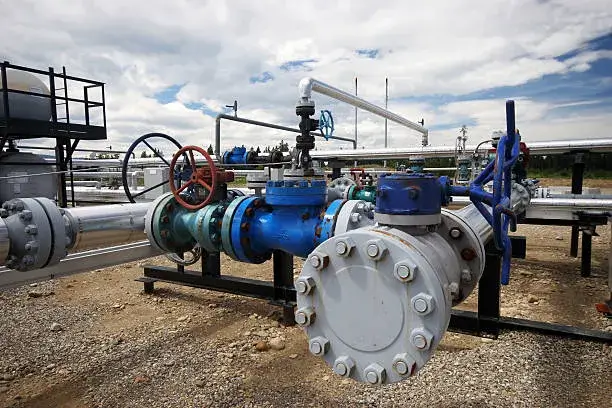
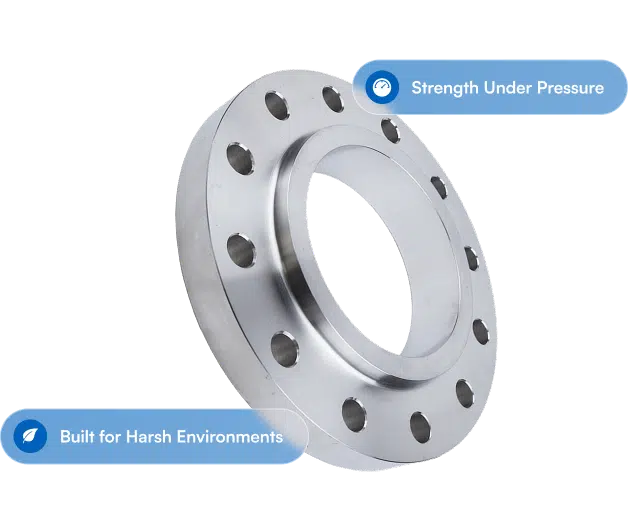
Flanges play a critical role in connecting piping systems, valves, and equipment in a wide range of industries, from oil and gas to petrochemicals and water treatment. Choosing between forged vs cast flanges is a crucial decision that directly impacts performance, cost, and durability.
What Are Forged Flanges?
Forged flanges are produced by shaping metal under high pressure using forging methods, which results in a refined grain structure that enhances strength and reliability. These flanges are often machined after forging to meet strict dimensional tolerances.
Advantages of forged flanges include:
- Superior tensile strength
- Excellent performance under high pressure and temperature
- Enhanced resistance to fatigue and corrosion
Because of these properties, forged flanges are often used in demanding applications, including ANSI Flanges that meet rigorous American standards.
What Are Cast Flanges?
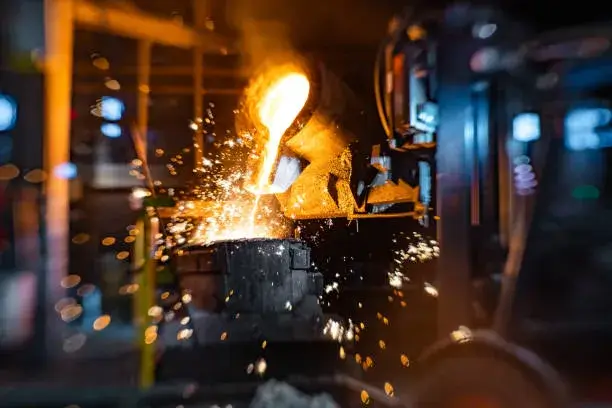
Cast flanges are made by pouring molten metal into a mold, allowing it to solidify into the desired shape. This method is efficient and ideal for producing complex shapes in larger volumes.
Benefits of cast flanges include:
- Lower production cost
- Greater design flexibility
- Shorter lead times
Cast flanges are often used in applications with moderate pressure
Key Differences Between Forged and Cast Flanges
Material Quality
When comparing forged vs cast flanges, forged flanges typically offer superior material quality due to the controlled grain flow achieved during forging. In contrast, cast flanges may contain internal voids or inclusions that can compromise structural integrity.
Durability
Forged flanges exhibit higher durability, especially in extreme environments. Their machining precision and material consistency make them a better fit for high-performance applications.
Cost
Cast flanges are generally more cost-effective to produce, especially in large quantities. However, forged flanges often yield better long-term value due to their extended service life and reduced maintenance.
Applications
Understanding where to use forged vs cast flanges is essential:
- Use forged flanges in high-pressure systems, pipelines, and critical infrastructure.
- Choose cast flanges for low- to moderate-pressure applications or where cost is a primary concern and where ASME/ANSI standards are not applicable.
When to Choose Forged Flanges
Industries like oil & gas, chemical processing, and power generation often prefer forged flanges for their ability to withstand harsh conditions. These flanges meet high standards such as ANSI Flanges, making them ideal for mission-critical systems.
When to Choose Cast Flanges
Cast flanges are ideal for applications where cost and volume are more important than maximum strength.
Which is Right for Your Needs?
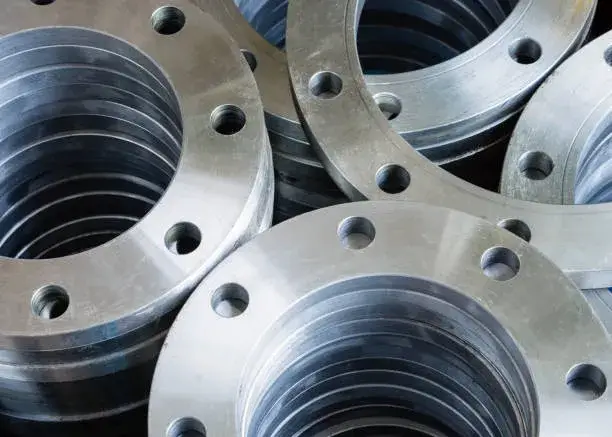
Choosing between forged vs cast flanges depends on your application’s specific requirements. If strength, durability, and long-term performance are key, forged is likely your best option. For non-critical, budget-sensitive installations, cast flanges may be the right choice.
Need help deciding between forged vs cast flanges? Visit Texas Flange to explore a full range of flange types. You can also check our flange dimensions and weights or browse custom flange solutions tailored to your specifications. Contact our team for expert guidance on your next project.
📞 Contact our team today for expert guidance and get the right flange solution for your project.