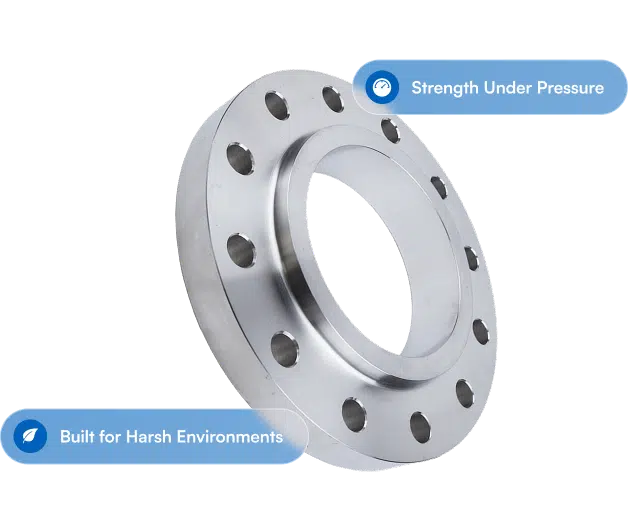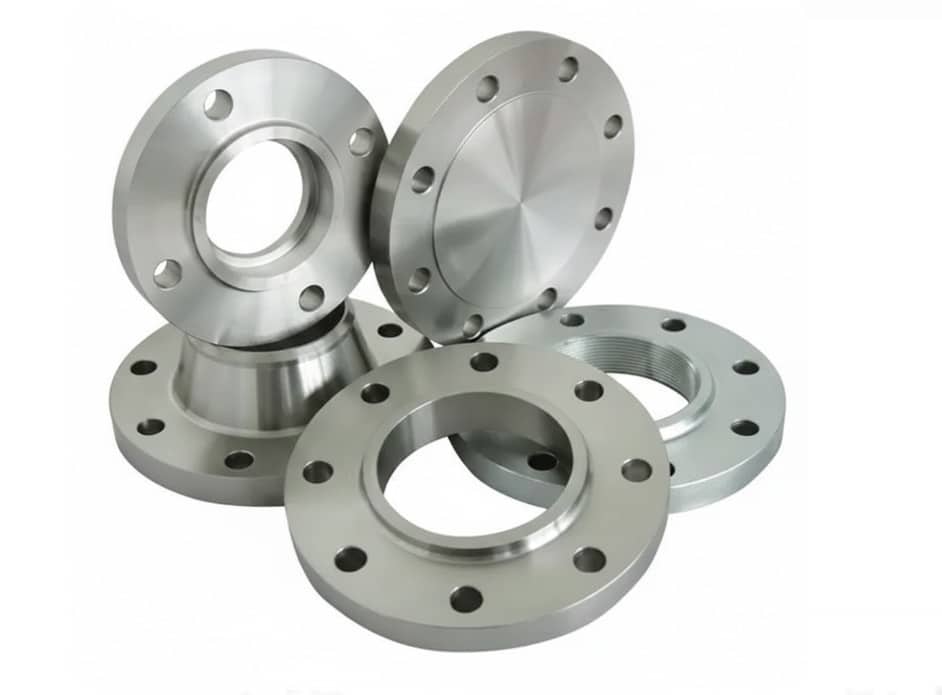
When you’re knee-deep in a piping project, flanges might not win any beauty contests, but they’re the ones quietly holding everything together so your system doesn’t turn into a very expensive fountain (unless that’s what you’re building – in which case, they’re probably overkill but will still do the trick). These circular bolted connectors join pipes, valves, and equipment while keeping pressure contained and leaks at bay. Whether you’re working in an industrial plant, a chemical processing facility, or just trying to spec parts for your next fab job, knowing your flange options can save you headaches, cash, and let’s be real- the occasional “oh no” moment.
There’s no magic one-flange-to-rule-them-all (though for procurement, Texas Flange is basically that wizard). Different jobs demand different types, each with its own superpowers, quirks, and sweet spots. So let’s break down the main contenders and help you pick the right one before your pipe dreams spring a leak.
-
Slip-On Flange: The Easy-Going Friend for Chill Jobs
Slip-on flanges live up to the name: they slide right over the pipe end and get welded (usually just the hub to the OD, sometimes inside too for extra grip). Installation is forgiving, you get some wiggle room to align things before tacking and welding.
The catch? They’re not built for sky-high pressure. Double-welded versions add decent strength, but if your system is throwing serious PSI around, keep shopping.
Best For: Low-to-moderate pressure/temperature setups where quick, easy install beats extreme durability. General-purpose piping where things stay sane.
-
Socket Weld Flange: Small Pipes, Surprisingly Tough
These have a socket recess where the pipe slips in, then you drop a single fillet weld around the outside. Clean internal flow, less turbulence, and only one weld to inspect, nice.
They really shine on smaller diameters (typically 2″ and under), especially when you need good strength plus smooth flow. (Pro tip: Match the socket ID to your pipe schedule for a perfect fit.)
Best For: Small-bore lines, instrumentation, process piping, anywhere high pressure meets the need for minimal pressure drop and a tidy bore.
-
Threaded Flange: When Welding Isn’t on the Menu
When welding is off the table (explosive zones, tricky materials, or just no welder handy), threaded flanges screw right onto matching pipe threads. Quick install, solid mechanical grip thanks to tapered NPT, and easy to disassemble/reassemble.
Downsides: Limited to lower pressures, threads can loosen or gall under extreme temps, and mismatched threads = instant regret.
Best For: Low-pressure utility lines, temporary setups, or spots needing frequent maintenance without cutting/welding.
-
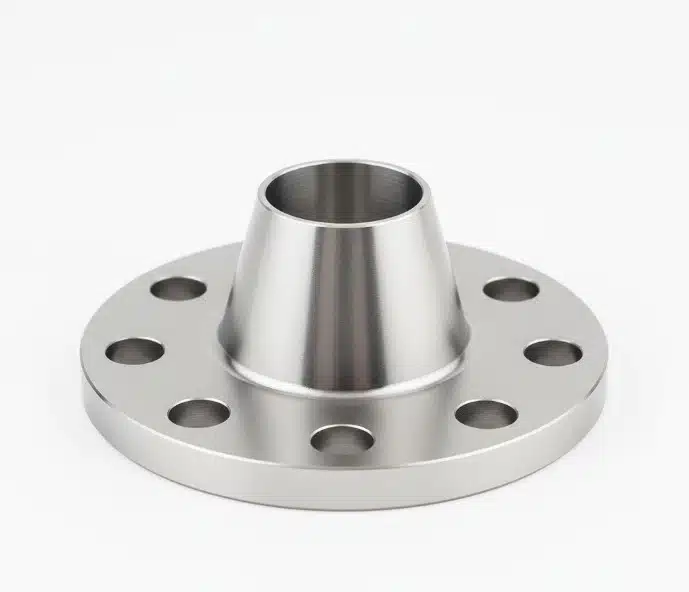
Weld Neck Flange: The Heavy-Duty Champion
Need max strength and zero-compromise reliability? Meet the weld neck: long tapered hub that flows smoothly into the pipe, finished with a full-penetration butt weld (the gold standard for joint integrity in high-stakes piping).
It spreads stress like a pro, handles thermal expansion beautifully, cuts turbulence, and thrives in brutal conditions. Yes, it’s pricier and demands skilled welding, but when the stakes are high, it’s worth every penny.
Best For: High-pressure, high-temp, corrosive, or cyclic-load applications in oil & gas, power gen, chemicals, serious industrial duty where failure isn’t an option.
-
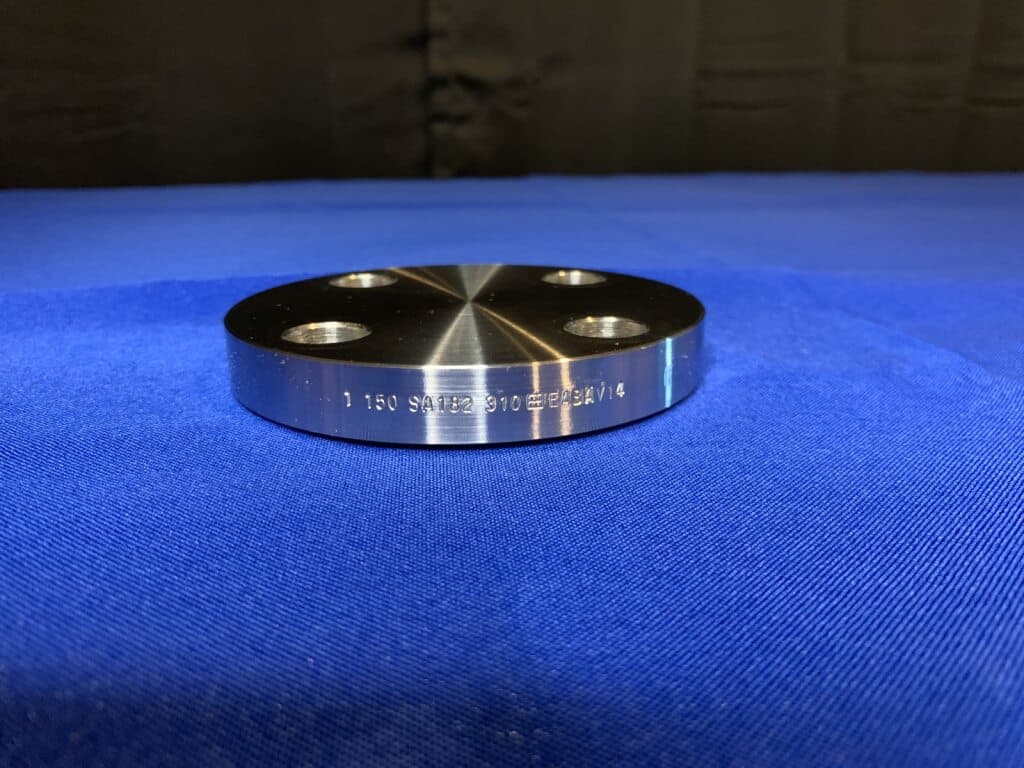
Blind Flange: Closing Time
Sometimes you just need to cap things off. Blind flanges are solid discs with bolt holes, no bore, just a blank face that seals the end with the same pressure rating as your system.
They’re MVPs for maintenance: isolate a section, test pressure, or prep for future tie-ins. Removable end caps that actually hold pressure? Yes please.
Best For: Terminating lines, section isolation, hydrostatic pressure testing, or leaving expansion stubs ready for later.
-
Lap Joint Flange: The Flexible Team Player
Pair these with a stub end (short pipe piece with a flared lip), and the flange can spin freely around the pipe, bolt-hole alignment becomes a breeze, even in awkward spots. Bonus: the flange rarely touches the process fluid, so you can sometimes use cheaper material (e.g., carbon steel flange with exotic stub end).
They’re not the strongest, as the stub end takes the pressure load, but they’re champs when you need frequent takedowns.
Best For: Systems needing regular disassembly/cleaning (food, pharma, etc.) or tricky alignments where maintenance ease > brute strength.
-
Reducing Flange: The Size Adapter
Need to drop pipe size at a flanged joint? Reducing flanges handle the transition right at the face, no extra reducer fitting needed. One side matches the larger flange, the other connects to the smaller pipe.
Saves space, cuts components (and leak points), and can even trim costs compared to separate pieces.
Best For: Tight layouts or anywhere minimizing fittings makes life easier, common in complex industrial runs.
Picking the Right One: Quick Reality Check
Match the flange to your actual conditions: pressure class (don’t lowball it), temperature effects, material compatibility with your media, and real-world constraints (welders available? Explosive area? How often do you tear it apart?).
Flanges look like fancy metal donuts, but they’re critical choke points. The wrong choice can mean leaks, shutdowns, or worse. The good news? Standards like ASME, API, DIN, JIS, and others have your back with clear rules for what works where.
Why Getting Flanges Right Matters
Look, a flange might seem like a simple component, just a metal donut with some bolt holes, right? But in reality, these pipe flanges are critical junction points in most piping systems. A flange failure can mean anything from a minor leak to a catastrophic release, depending on what you’re handling. Beyond safety, the wrong flange choice can lead to chronic maintenance issues, premature system failure, and unexpected downtime that costs serious money.
The good news is that with decades of engineering behind them, flanges are well-understood components with clear standards and specifications. Whether you’re following ASME, API, DIN, JIS, or other standards, there’s solid guidance on what works and what doesn’t for virtually any application.
Still Spinning? Hit Up Texas Flange
Juggling variables and don’t want to guess? Texas Flange has the experience to sort it, standard or custom, they’ll help nail materials, ratings, and specs so your system starts strong and stays that way.
Ready to get the right flanges? Reach out to Texas Flange for guidance and a quote. Your piping (and your sanity) will thank you.
#FlangeTypes #PipeFlanges #IndustrialPiping #FlangeSelection #FlangesAreLowkeyCool