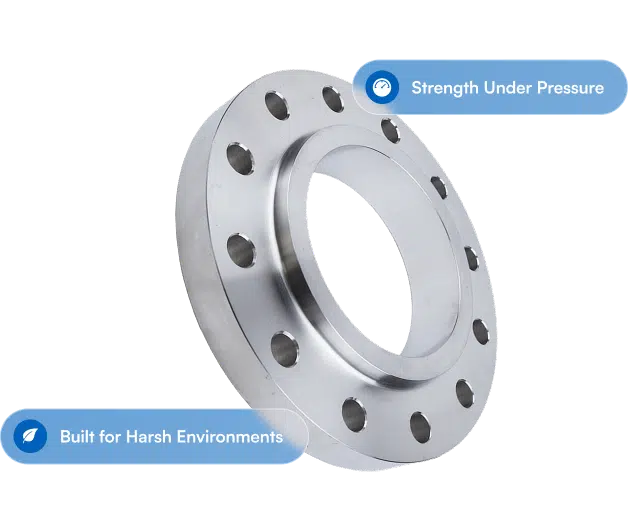
Understanding the difference between offshore flanges and onshore flanges is crucial for any project in the oil, gas, and energy sectors. Both types are designed to connect pipelines and equipment, but the environment they operate in dictates their design, material, and installation requirements. This guide breaks down the essentials, helping engineers and project managers make informed decisions. We’ll explore material specifications, safety standards, and cost considerations, providing clarity on when to use offshore versus onshore flanges. By following this, you can ensure reliability, safety, and efficiency for your pipelines and machinery.
What Are Offshore Flanges?
Offshore flanges are engineered specifically for environments exposed to harsh conditions at sea, including extreme pressure, saltwater corrosion, and high dynamic loads. They must comply with rigorous safety standards such as ASME and API to ensure structural integrity and prevent failures. Offshore flanges often use corrosion-resistant alloys like duplex stainless steel or high-nickel alloys and are typically employed in oil rigs, floating production units, and subsea pipelines.
Key features of offshore flanges include:
- Superior resistance to corrosion and fatigue
- Precision-engineered bolt patterns to withstand high loads
- Compliance with international standards
- Ability to endure fluctuating temperatures and pressures

What Are Onshore Flanges?
Onshore flanges are used in land-based installations such as refineries, power plants, and municipal water systems. While they also meet strict standards, the environmental stresses are lower compared to offshore applications. Materials commonly used include carbon steel, stainless steel, and alloy steel. Onshore flanges are easier to maintain and replace due to easier access and less extreme conditions.
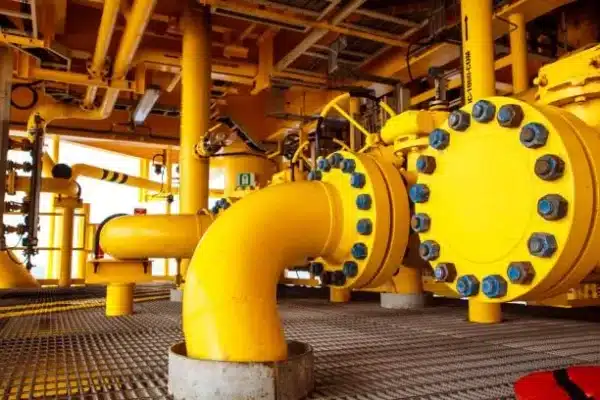
Key Differences Between Offshore and Onshore Flanges
Understanding the distinctions can prevent costly mistakes and ensure operational safety.
Material Requirements
- Offshore: Requires corrosion-resistant and high-strength alloys due to seawater exposure.
- Onshore: Often uses carbon steel or standard stainless steel, suitable for moderate environments.
Safety Standards
- Offshore: Must comply with API 6A, ASME B16.5, and other stringent standards.
- Onshore: Follows ASME B16.5/B16.47, ANSI, and local regulatory requirements.
Cost Considerations
- Offshore flanges are more expensive due to specialized materials and coatings.
- Onshore flanges are generally more cost-effective and easier to source.
Choosing the Right Flange for Your Project
Selecting the appropriate flange type depends on your project specifications, environmental exposure, and regulatory requirements. Consider:
- Environmental conditions: pressure, temperature, and corrosive elements
- Material compatibility: corrosion resistance and mechanical strength
- Compliance with safety standards
- Budget and lifecycle costs
For large and small orders, working with a customer-focused supplier like Texas Flange ensures you get the right product, whether offshore or onshore. You can also contact us for expert guidance tailored to your project.
Final Thoughts
Whether you’re designing offshore pipelines or constructing onshore facilities, understanding offshore flanges vs onshore flanges is essential. Choosing the right flange not only guarantees operational safety but also enhances efficiency and durability across your installations. 🌊⚡
Explore our full range of high-quality flanges for all industries and ensure your project is equipped with the best materials available.