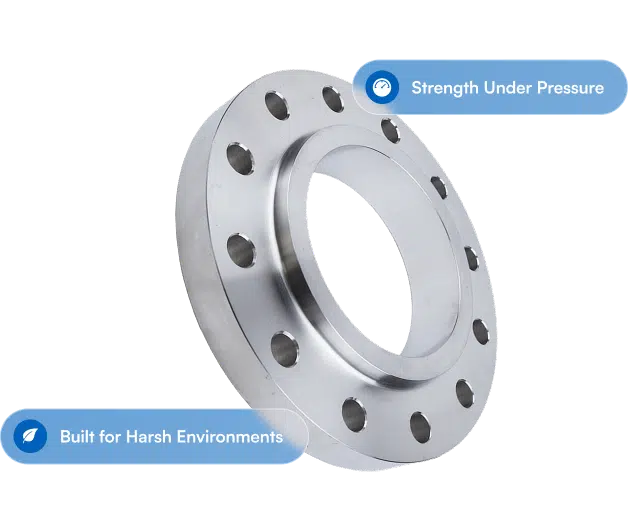
Flanges may not be the first thing people think of when discussing energy systems, but their importance is undeniable. These components are the silent connectors holding together pipelines, turbines, and reactors across the energy sector. Understanding The Role of Flanges in Power Generation and Renewable Energy sheds light on how precision engineering ensures safe operations, durability, and compliance with global standards.
Whether in fossil fuel plants or renewable installations, flanges provide the strength and adaptability required for demanding conditions. Let’s break down their applications, materials, and the future of this critical component in today’s evolving energy landscape.
Why Flanges Are Essential in Energy Systems
The entire energy sector relies on efficiency and safety. Flanges ensure both by:
- Enabling secure connections in high-pressure pipelines.
- Allowing disassembly for inspection and maintenance.
- Supporting the integration of advanced materials resistant to corrosion and extreme heat.
This makes flanges not just accessories but structural necessities in both conventional and renewable setups.

Flanges in Power Generation Plants
Steam and Gas Turbine Applications
Steam and gas turbines demand precision parts that can endure high temperatures and fluctuating pressures. Flanges secure turbine casings, connect feedwater lines, and anchor exhaust systems. A poorly matched flange can mean leaks, downtime, and significant energy losses—showing once again The Role of Flanges in Power Generation and Renewable Energy as a matter of reliability.
Nuclear Power Systems
Nuclear plants require even stricter standards. Every connection must withstand radiation exposure, high pressure, and safety regulations. Ring joint face flanges are common in these environments for their ability to maintain tight seals. Here, flanges are not just about efficiency—they’re about safeguarding entire facilities.
Flanges in Renewable Energy
Wind Power Applications
Wind turbines are massive structures exposed to constant stress. Their tower flanges connect heavy sections of steel tubing, making structural integrity essential. As highlighted in this detailed study on wind turbine flanges, even slight misalignments can compromise the entire tower’s performance.
Solar and Geothermal Installations
Solar thermal plants and geothermal systems use flanges to connect heat exchangers, pumps, and pipelines carrying steam or hot fluids. With renewable energy pushing efficiency, flanges ensure these connections are resistant to both thermal cycling and environmental wear. More insights can be found in this resource on flanges in renewable applications.
Best Materials for Energy Industry Flanges
Choosing the right material makes all the difference:
- Stainless steel: Excellent against corrosion, common in water and geothermal systems.
- Alloy steel: High strength, ideal for gas turbines.
- Duplex steel: Balances corrosion resistance and strength, making it versatile for both power generation and renewables.
The material must always align with operational conditions, ensuring compliance with ASME/ANSI standards and long service life.

Future Trends in Energy and Flanges
The transition to clean energy doesn’t eliminate the need for flanges—it makes them even more critical. Future innovations will focus on:
- Lightweight composites to reduce tower load in wind energy.
- Smart flanges with embedded sensors to detect leaks or pressure changes in real-time.
- Improved coatings for longer durability in offshore and geothermal projects.
These trends underline The Role of Flanges in Power Generation and Renewable Energy as technology evolves and demand for sustainability grows.
The Final Word on Flanges in Energy
From traditional turbines to cutting-edge renewable systems, flanges remain at the heart of energy infrastructure. They provide stability, flexibility, and safety in every sector they touch. Without them, global energy systems would literally fall apart.
👉 Looking to learn more? Visit Texas Flange for resources on energy industry flanges or check our dedicated section on power plant flanges. For tailored guidance, feel free to contact us here. ⚡🔧