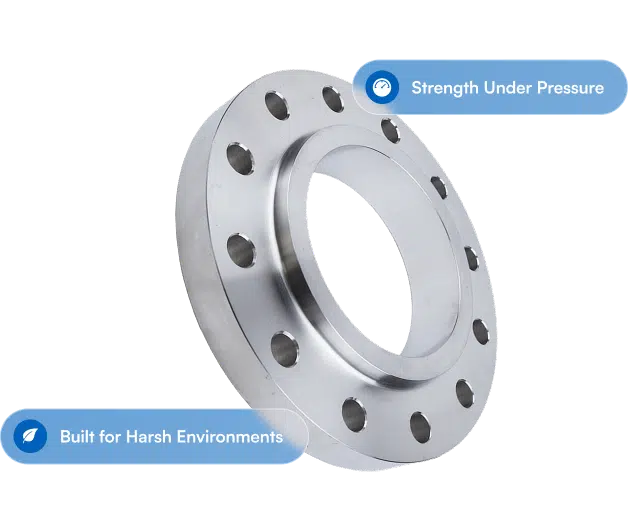
Choosing between ASME B16.47 Series A and Series B flanges is more than just picking a size. These flanges play a critical role in large-diameter piping systems, where pressure integrity, temperature tolerance, and compliance with ASME standards are essential. Using the wrong series could affect performance, safety, and long-term reliability. This guide breaks down the differences, applications, and technical considerations to help you make informed decisions for your project.
What Are Series A Flanges?
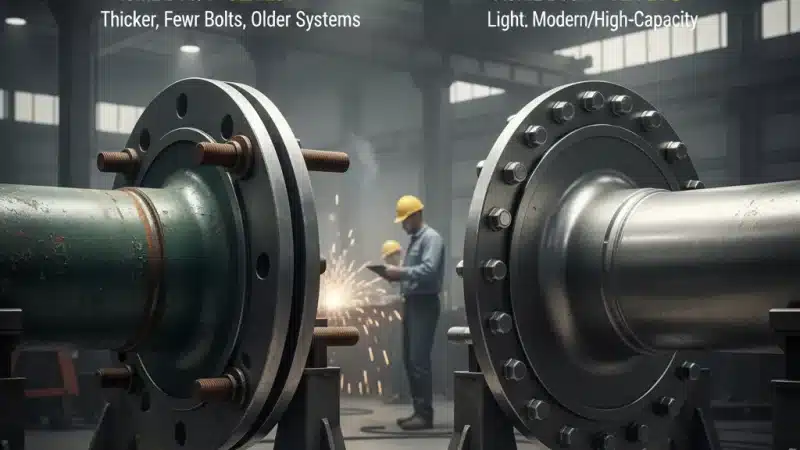
Series A flanges are designed for large-diameter piping systems, particularly in traditional, high-pressure applications. Key features include:
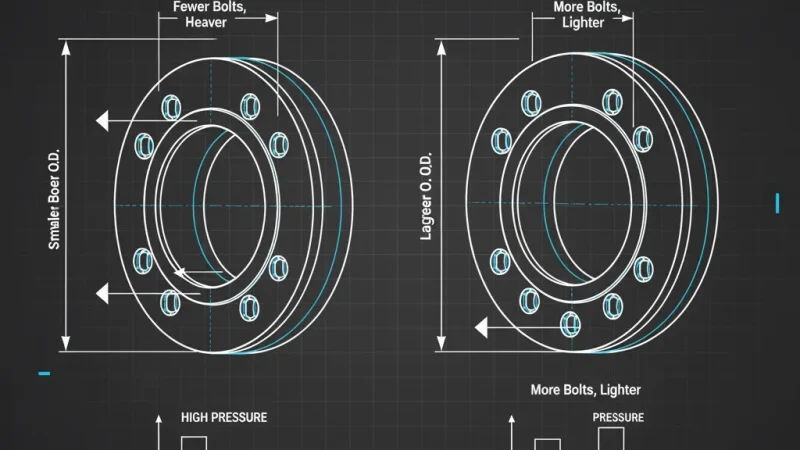
- Slightly smaller outside diameter compared to Series B
- Fewer bolt holes, which reduces installation complexity
- Heavier flange thickness for enhanced durability
- Commonly used in refineries, chemical plants, and older infrastructure
Series A flanges perform best where pressure distribution is standard and piping systems don’t require the higher bolt count of Series B. For detailed Series A flange specifications, including dimensions and weights, check with a trusted supplier like Texas Flange.
What Are Series B Flanges?
Series B flanges are often specified for modern systems requiring better pressure distribution and higher load handling. Key characteristics include:
- Larger outside diameter for increased strength
- Higher number of bolts to handle greater pressure loads
- Slightly lighter flange thickness to optimize material usage
- Frequently used in industrial, offshore, and high-capacity pipelines
Series B flanges are suitable for high-pressure, high-capacity projects while maintaining compliance with ASME standards. Full specifications are available here.
Key Differences Between Series A and Series B
Understanding the distinctions helps in planning and installation. Consider the following:
| Feature | Series A | Series B |
| Outside diameter | Smaller | Larger |
| Bolt holes | Fewer | More |
| Thickness | Heavier | Lighter |
| Typical applications | Refineries, traditional systems | Modern industrial & offshore |
| Pressure handling | Standard | Higher pressure loads |
| Material optimization | Moderate | Efficient for large pipelines |
These differences affect installation practices, load-bearing capacity, and long-term maintenance. Engineers should verify dimensions, follow ASME standards, and consult suppliers to ensure proper selection.
Material Considerations and Performance
Selecting the correct flange series is only part of the process. Material choice ensures:
- Resistance to corrosion and erosion
- Strength under high-pressure conditions
- Longevity in harsh environments
Common materials include carbon steel, stainless steel, and alloys, and both Series A and B flanges can be manufactured to meet your project requirements.
Cost Considerations
Cost can influence your choice between Series A and Series B flanges. Factors affecting price include:
- Material type
- Manufacturing tolerances
- Bolt count and complexity
- Shipping and handling for large-diameter flanges
Planning ahead and consulting a customer-focused supplier like Texas Flange ensures optimized cost and performance for both large and small orders.
Choosing the Right Series
Selecting the proper flange series involves balancing:
- System pressure and temperature requirements
- Pipe diameter and layout
- Compliance with ASME B16.47 standards
- Long-term maintenance and safety considerations
For guidance on selecting the right flange, contact Texas Flange to meet all technical and safety requirements.
Ready to Choose the Right Flange for Your Project?
Knowing the differences between Series A and Series B flanges ensures piping systems perform reliably, safely, and efficiently. Choosing the correct series impacts pressure handling, compliance, material optimization, and long-term durability. ⚙️💡
Explore the full range of flanges at Texas Flange to equip your project with the right components.