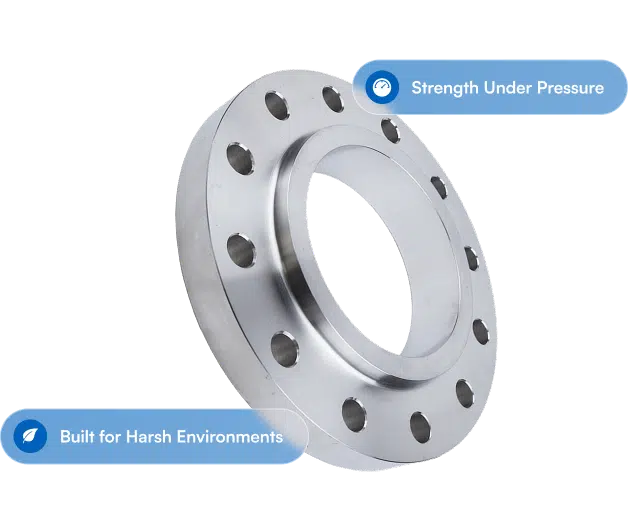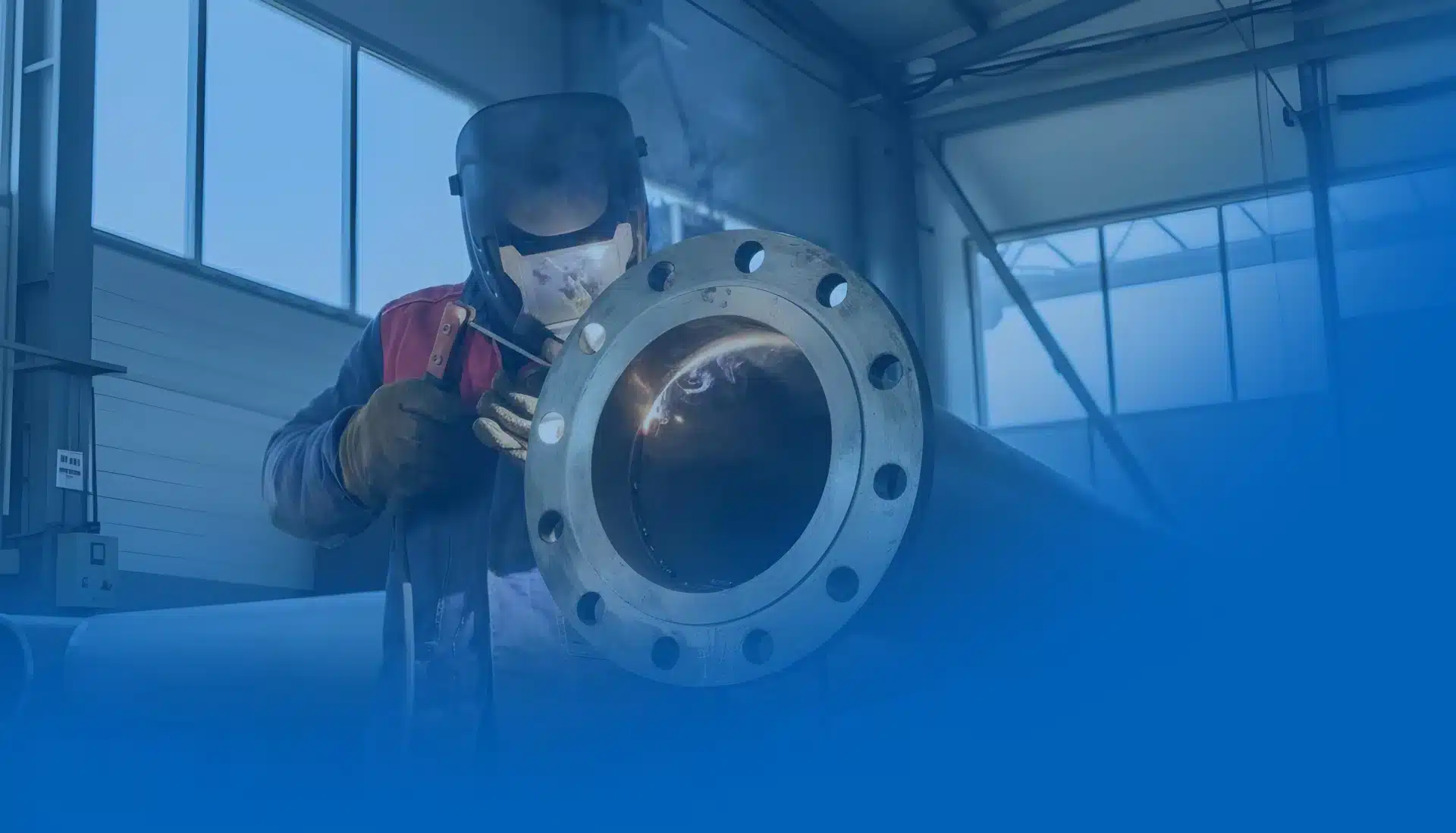
Duplex Flanges
An austenitic-ferritic stainless variant with a higher stress corrosion cracking resistance in comparison to regular austenitic 304 and 316 stainless, but with a lower toughness and impact strength.
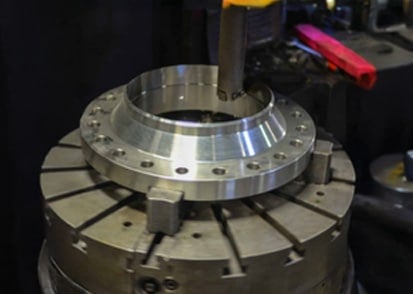
This category of material includes grades 2205, F51, F53, and F60. Duplex stainless has increased in popularity over the years due to its excellent chemical and mechanical properties versus their basic stainless counterparts.
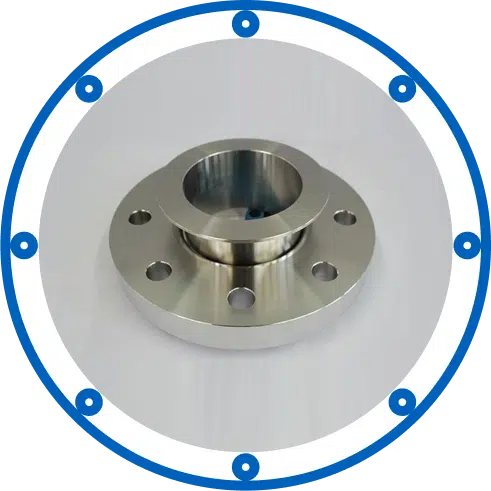
The granular structure of duplex is a ferrite-austenite hybrid with a superior strength to weight ratio in comparison to 304 or 316.
It balances the weldability of an austenitic with a pure ferritic and retains decent mechanical toughness in applications with exposure to colder ambient temperatures.
Offshore/seawater applications are a common use for this type of steel due to its excellent stress corrosion cracking properties. Therefore, duplex is often found in desalination and pressure vessel equipment located in port cities.
Duplex’s premium mechanical and chemical properties are slightly offset by its difficulty in formability. These grades are excellent for fixed service simple flange connections, but slightly less so when forming a complex metallic shape.
Fortunately, the workability of duplex into complex and rounded structures is less of an issue in structural steel, given the wide preference for simple mild steel in non corrosive applications.
Texas Flange can provide you with an excellent cost and lead time option for duplex steels, as we offer them in forged and plate variants. Duplex plate is becoming a very popular option for longer service fluid works applications, and rightfully so.
Feel free to get in touch with us for a quote.
Products
Texas Flange stocks a wide variety of flanges in all sizes and specifications.
ANSI Flanges
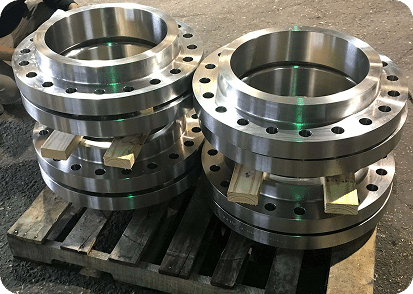
ASME Flanges
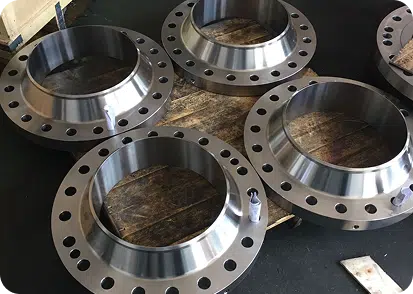
AWWA Flanges
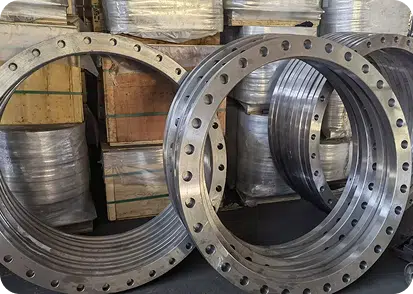
Pipe Flanges
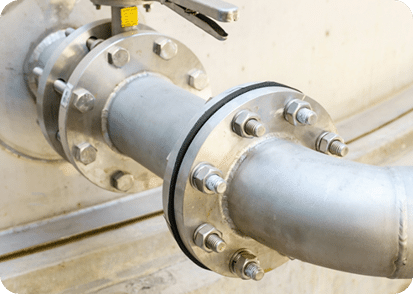
Industrial Flanges
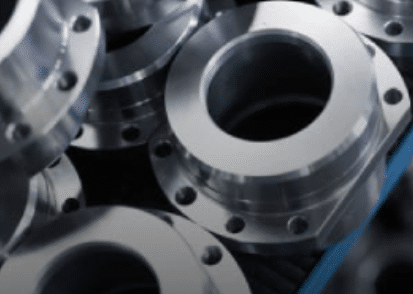
Oil & Gas Industry Flanges
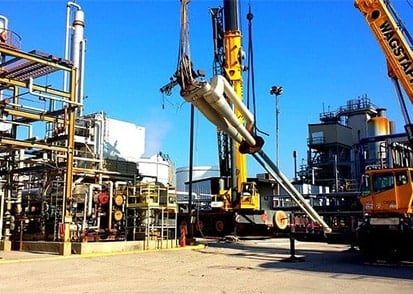
Custom Flanges
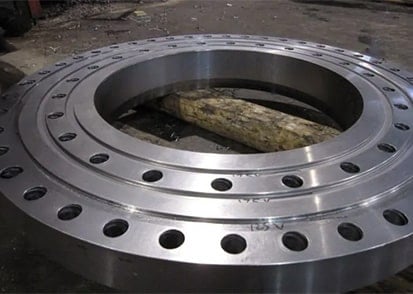
Petrochemical Flanges
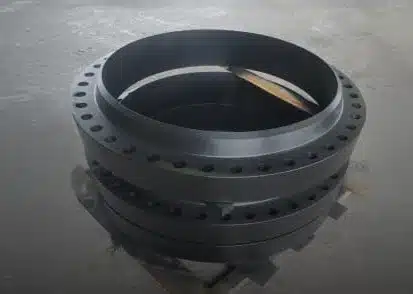
Texas Waterworks Flanges
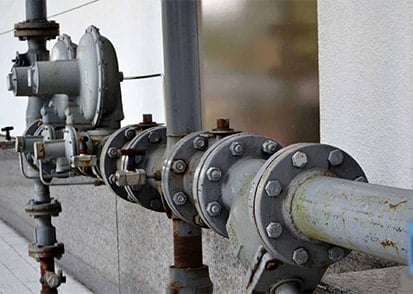
Ring Joint Flanges
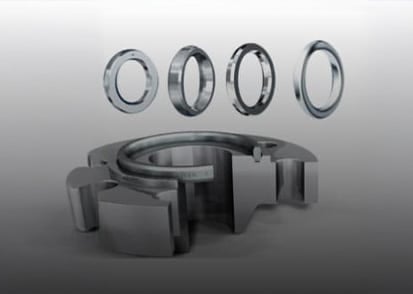
Large Industry Standard Flanges
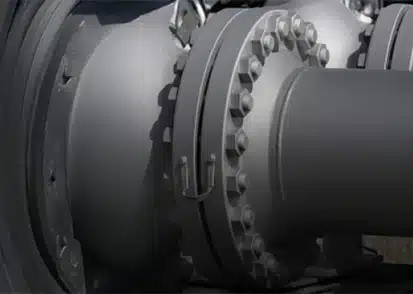
Metric System Flanges
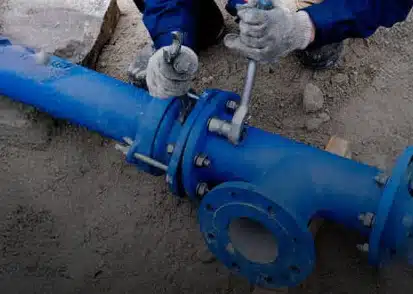
Plumbing And Mechanical Industries Flanges
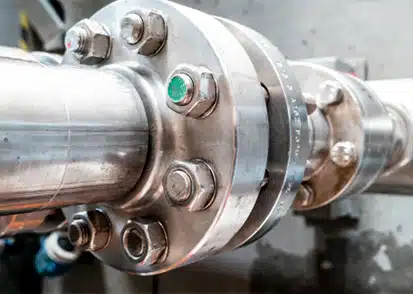
Industrial Pumps, Valves And Vessels
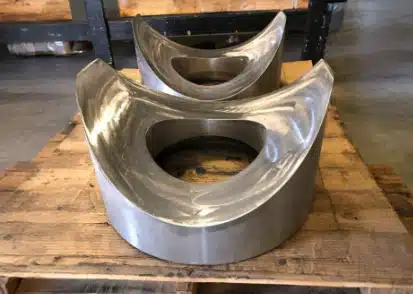
Manufacturing Industries Flanges
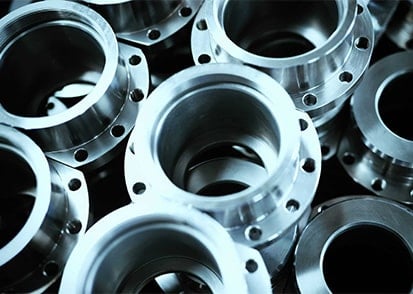
Heating Systems Industries Flanges
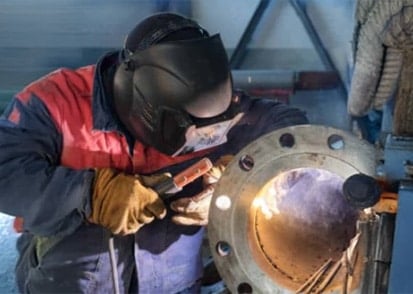
Flange Food And Beverage Industries Flanges
Frequently Asked Questions (FAQs)
The difference between a swivel flange and a lap joint flange is that a swivel flange consists of two separate components: a rotating ring flange and a welded hub or collar that is attached to the pipe.
A lap joint flange also has two parts, but it uses a stub end rather than a welded hub, and its backing flange is loose rather than fully rotating like a swivel flange.
The specification of a duplex 2205 flange includes materials UNS S31803 or UNS S32205, with standards such as ASTM A182 and ASME SA182 for forged flanges. These flanges are available in various pressure ratings under ANSI/ASME B16.5, including classes 150, 300, and 600.
The chemical composition typically includes 22-23% chromium, 4.5-6.5% nickel, 3.0-3.5% molybdenum, and 0.14-0.20% nitrogen, giving it excellent resistance to pitting, crevice corrosion, and stress corrosion cracking.
Duplex steel is used in industries that require high strength and corrosion resistance. It is widely applied in the oil and gas sector for pipelines, pressure vessels, and offshore platforms.
The chemical processing industry uses it for heat exchangers, tanks, and reactors, while the marine and shipbuilding industries utilize it for propeller shafts, seawater cooling systems, and structural components.