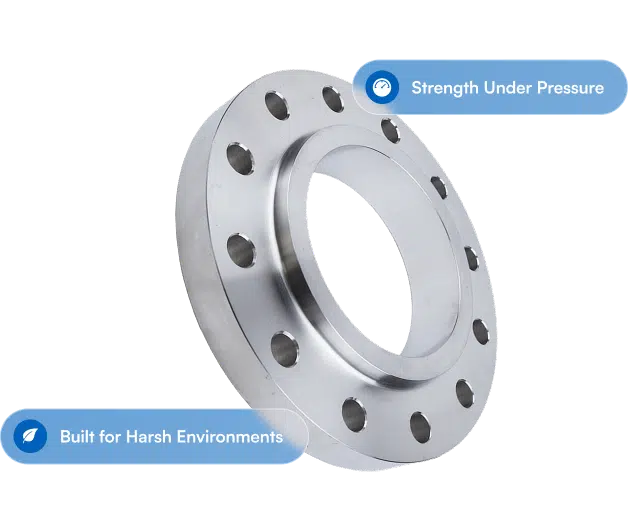
Plate Flanges
For applications with no/low pressure at ambient temperatures, plate flanges are often a cost effective solution when raised faces and hubs are not necessary. Plate flanges also allow for space saving given their typically reduced thickness. Our standard specification governing these items is AWWA C207 provided by the American Water Works Association.
Due to the flange styles of the AWWA specification, we typically only recommend flanges per B16.5 to be made from plate if they are a blind flange or a ring flange (disc with a bore). If your application requires rather strict adherence to B16.5, we would suggest the more common forging method. Although commodity stock B16.5 type flanges are typically cost effective due to their mass production, a plate material for a larger ring flange or blind may be an effective alternate option when material availability and cost is a concern. For example, should you find no inventory available for a 20” flat face blind flange, and your application does not require noticeable working pressure, perhaps a 20” machined plate disc of the same material properties would serve as a good substitute.
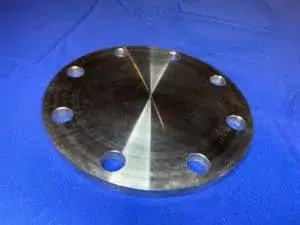

In the world of carbon steel, we offer a large variety of plate types and sizes. A36 structural carbon steel will not have the physical properties of an A105 forging but may serve as a cost-effective steel for your non pressurized service. Where A36 does not suffice, we also offer ASTM A515-70, A516-70, and ASTM A285 Grade C. These are particularly popular options for line blank flanges per ASME B16.48, and share more of the strength qualities found in A105 forged carbon steel.
For plate stainless steels, look to the specification ASTM A240 and its material variants. Our most common grades of stainless consist of 304/304L, 316/316L, and 2205 duplex. We also offer other superior stainless grades on a made to order basis. For instance, 321 stainless is similar to its 304 and 316 counterparts, but includes a noticeable amount of titanium for superior intergranular integrity.
Products
Texas Flange stocks a wide variety of flanges in all sizes and specifications.
ANSI Flanges
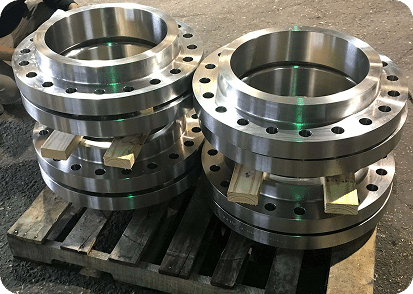
ASME Flanges
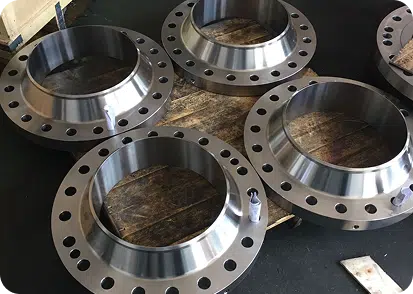
AWWA Flanges
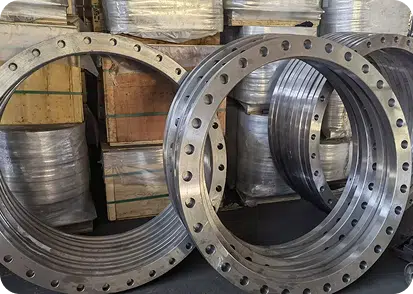
Pipe Flanges
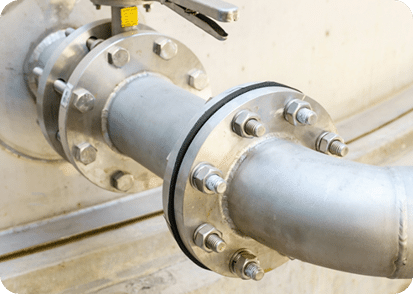
Industrial Flanges
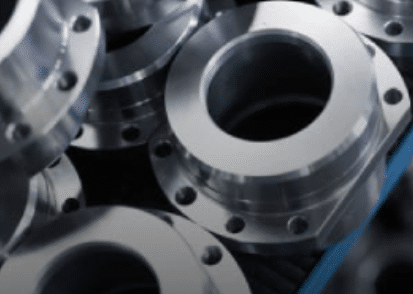
Oil & Gas Industry Flanges
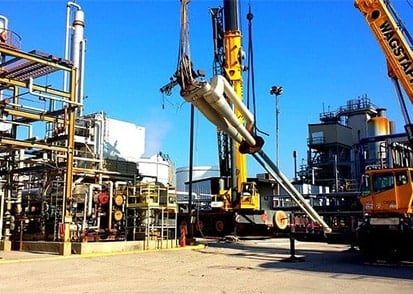
Custom Flanges
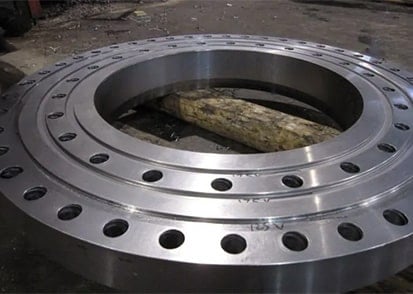
Petrochemical Flanges
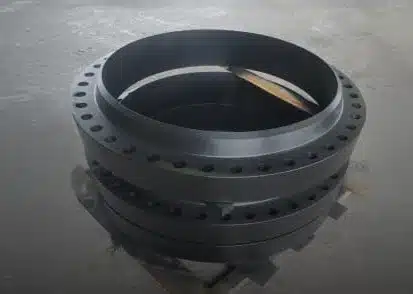
Texas Waterworks Flanges
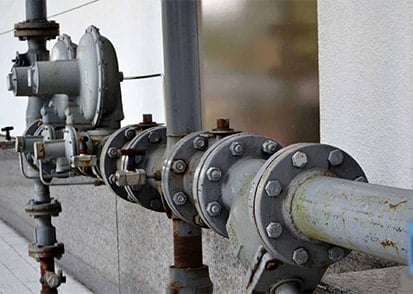
Ring Joint Flanges
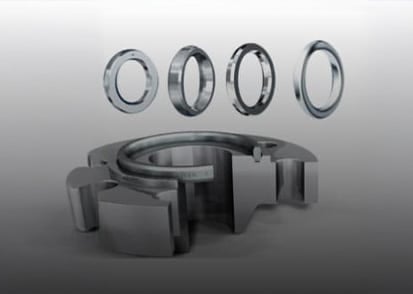
Large Industry Standard Flanges
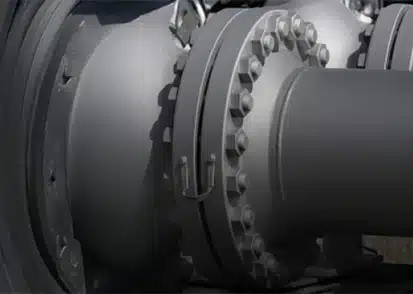
Metric System Flanges
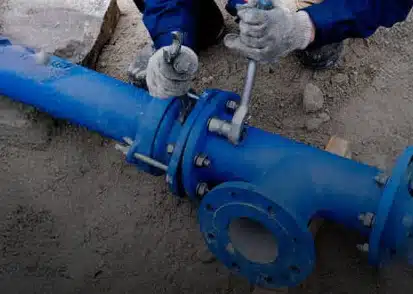
Plumbing And Mechanical Industries Flanges
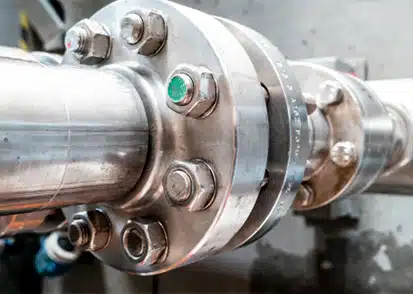
Industrial Pumps, Valves And Vessels
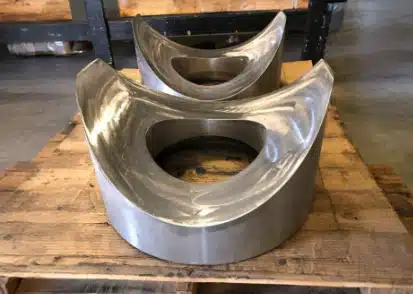
Manufacturing Industries Flanges
Heating Systems Industries Flanges
Flange Food And Beverage Industries Flanges
Frequently Asked Questions (FAQs)
A plate flange is a type of flange manufactured from a single piece of flat plate material, typically made of steel, stainless steel, or other alloys. It is designed to connect pipes, valves, pumps, or equipment within a piping system.
Plate flanges provide a secure and leak-resistant seal, ensuring reliable performance in applications that demand high strength and durability.
Plate flanges offer several advantages, including exceptional strength and durability, making them suitable for handling high-pressure and high-temperature environments. They are relatively simple to manufacture, leading to cost savings compared to other flange types.
Additionally, their robust construction provides resistance to corrosion and wear, ensuring long service life with minimal maintenance in demanding conditions.
Plate flanges are ideal for applications requiring robust connections that can withstand extreme conditions, such as high-pressure systems, elevated temperatures, or corrosive environments.
They are commonly used in industries like oil and gas, petrochemicals, and power generation. Their reliable sealing capabilities and strength make them suitable for critical operations demanding minimal leakage risks.
Plate flanges may not be suitable for situations where weight is a limiting factor, such as in lightweight or portable systems, as they can be heavier than other flange types.
Additionally, they might not be the best choice for applications requiring frequent assembly and disassembly, as their installation can be labor-intensive and time-consuming.
Plate flanges come in various types to suit specific applications. Common types include slip-on flanges, which are easy to install; threaded flanges, used for non-welded connections; weld neck flanges, ideal for high-pressure systems; and socket weld flanges, designed for smaller pipes.
Each type serves a unique purpose, ensuring flexibility across industries.