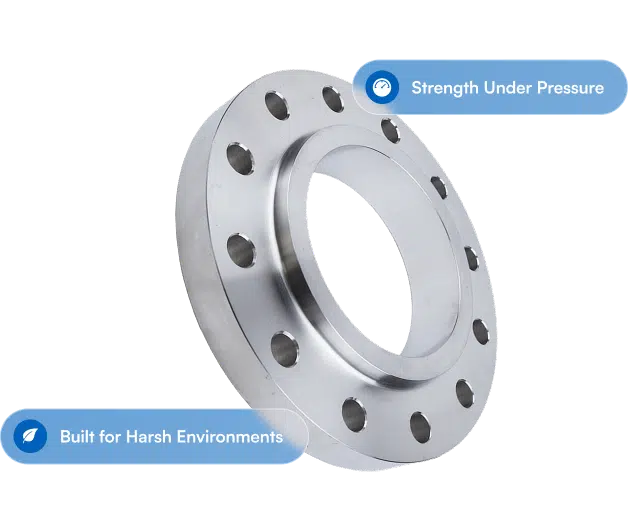
Alloy Pipe Flanges
“Alloy pipe flanges” is catch-all term we utilize to reference material grades not conventionally known as carbon or stainless. Most nickel alloy varieties will fall under this category (Hastelloy, Inconel, Monel, etc), as well as miscellaneous material grades of commercial availability which we provide (aluminum, titanium, copper, bronze).
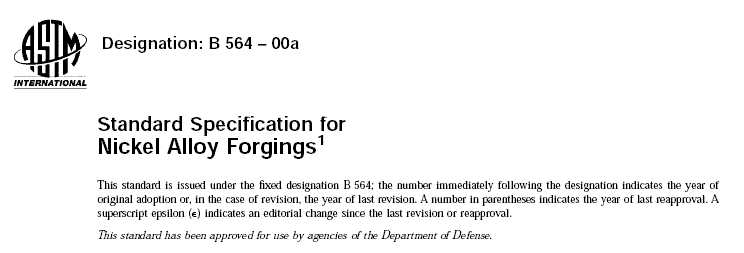
ALLOY 20 – UNS N08020
Also known as “Carpenter 20” ®, this nickel iron chromium steel alloy is commonly used in process industries where corrosion resistance is critical. Alloy 20 contains a small percentage of molybdenum and copper and is particularly common in applications involving sulfuric acid because of its resistance to crevice pitting, stress cracking, and overall corrosion.

Hastelloy
ALLOY C276
Commonly referred to as “Hastelloy” ® grade C276 developed by Haynes International. Perhaps the most popular nickel-based alloy, used in the widest variety of applications, including water treatment, chemical processing, and some nuclear reactor operations. Hastelloy is widely available in various types of flanges, fittings, valves, and other assembly components.
Other available grades known as or similar to Hastelloy are B2, G, X, and C22
MONEL – 400
A Nickel-Copper alloy developed by the International Nickel Co and authorized in 1906. This material is resistant to corrosion but more difficult to work with than other nickel alloys of the same family. Monel is commonly used in marine applications involving the perpetual corrosion of seawater and the development of accessories within assemblies handling corrosive material, such as strainers, wiring, valve gates, and fastener hardware.
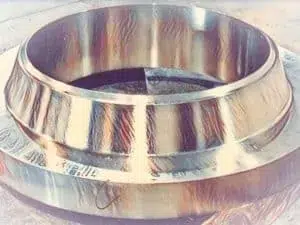
INCONEL – 600, 601, 625, 718
Nickel-chromium alloys developed in the 1940s in the United Kingdom. They are commonly utilized in nuclear engineering, aerospace engineering, commercial refining, and other demanding large-scale applications. These materials have excellent resistance to corrosion and great strength even in high heat and stress utilization, making them excellent candidates for use in nuclear reactors and engine turbines.
INCOLOY – 800, 825, 800H, 800HT
Like its Inconel counterpart, these grades of nickel-chromium alloys have tight ranges on aluminum, titanium, and other trace element contents in order to produce material with the best properties in high heat applications. Commonly utilized in heat exchangers, power plants, furnaces, nuclear fuel processing, and other situations that involve corrosive media at high temperatures.

Products
Texas Flange stocks a wide variety of flanges in all sizes and specifications.
ANSI Flanges
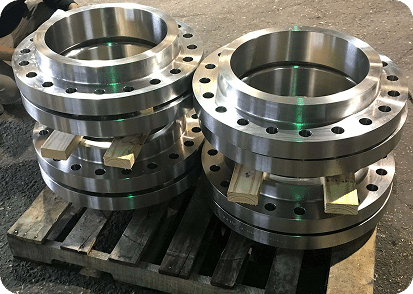
ASME Flanges
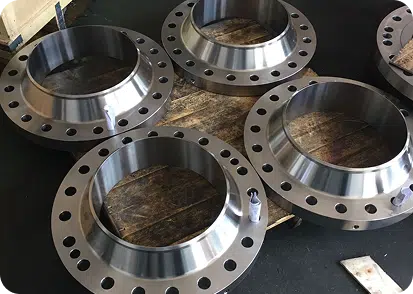
AWWA Flanges
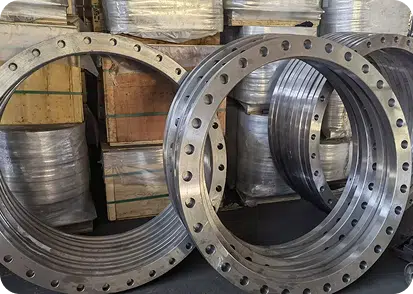
Pipe Flanges
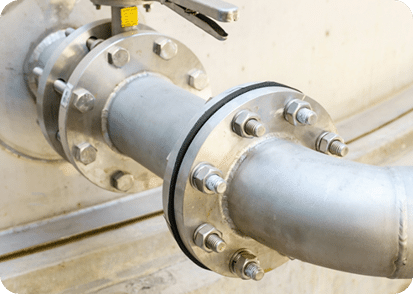
Industrial Flanges
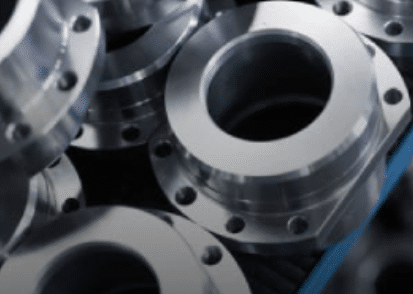
Oil & Gas Industry Flanges
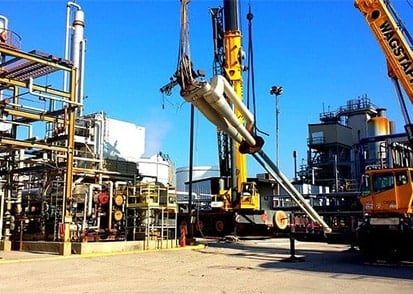
Custom Flanges
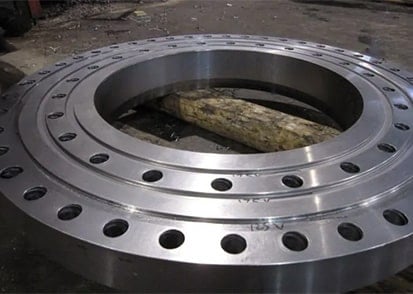
Petrochemical Flanges
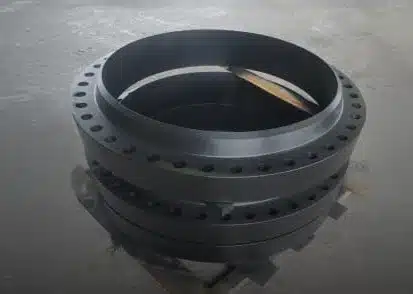
Texas Waterworks Flanges
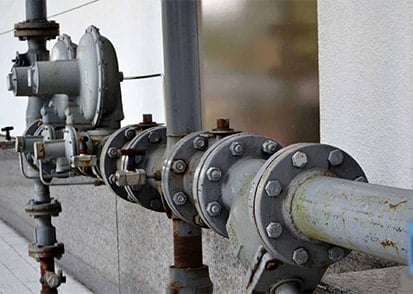
Ring Joint Flanges
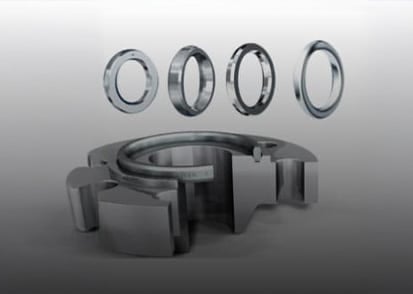
Large Industry Standard Flanges
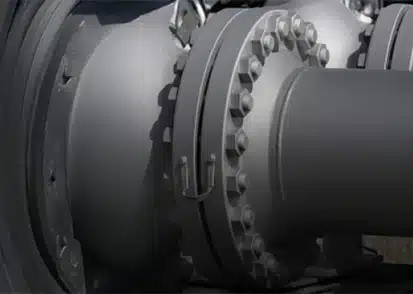
Metric System Flanges
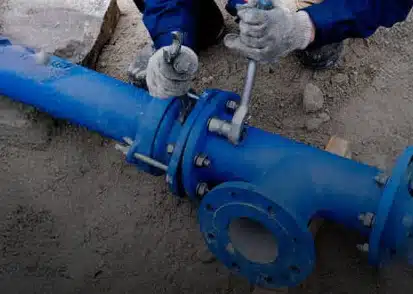
Plumbing And Mechanical Industries Flanges
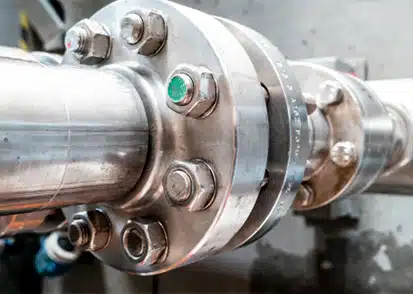
Industrial Pumps, Valves And Vessels
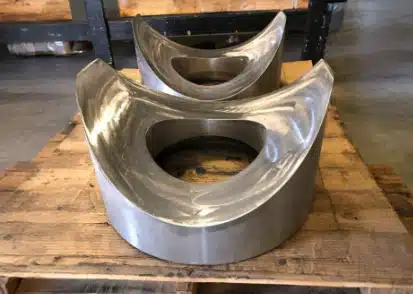
Manufacturing Industries Flanges
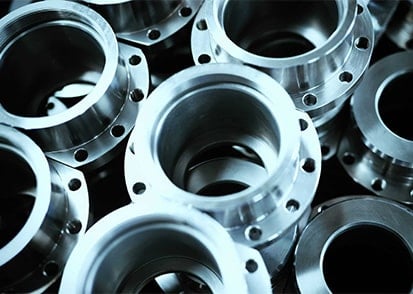
Heating Systems Industries Flanges
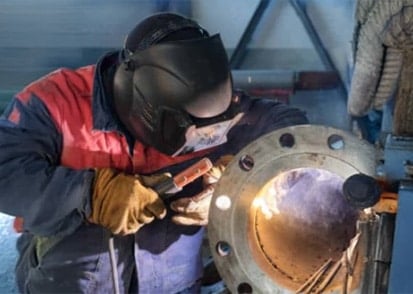
Flange Food And Beverage Industries Flanges
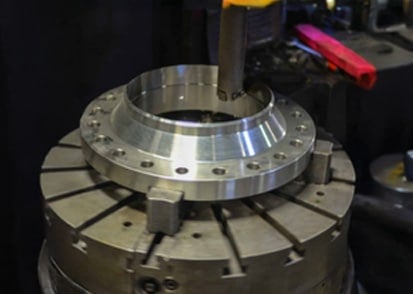
Power Plants Industries Flanges
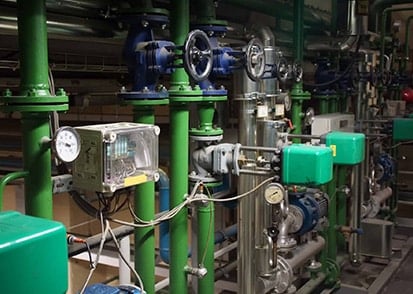
Orifice Flanges
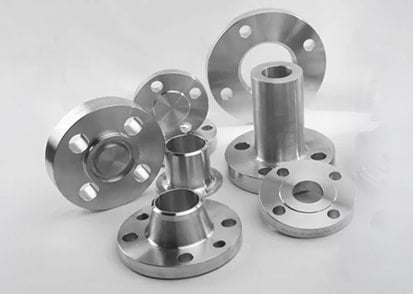
Flange Gaskets
The Parts You Need, When You Need Them

Frequently Asked Questions (FAQs)
Alloy pipe flanges are specialized components manufactured from a combination of two or more metals, known as alloys. This blend enhances their mechanical and chemical properties, such as increased strength, exceptional durability, and superior resistance to corrosion.
These flanges are designed to perform reliably in challenging environments where standard steel flanges might fail.
Alloy pipe flanges offer several key advantages, making them indispensable in demanding industrial applications. They exhibit remarkable strength and durability, ensuring long-lasting performance even under extreme conditions. Their resistance to corrosion makes them ideal for use in environments exposed to moisture, chemicals, or harsh weather.
Alloy pipe flanges can withstand high temperatures and pressures, making them suitable for use in power plants, chemical processing facilities, and oil and gas pipelines. These properties reduce the need for frequent maintenance or replacement, improving overall operational efficiency.
Alloy pipe flanges are best suited for applications that demand exceptional strength, durability, and resistance to harsh conditions. They are commonly used in industries like petrochemical processing, aerospace, marine engineering, and power generation.
If your system operates in environments with high temperatures, high pressures, or exposure to corrosive substances, alloy pipe flanges provide a reliable and long-lasting solution.
Despite their many benefits, alloy pipe flanges have some drawbacks. Their primary disadvantage is cost, as they are generally more expensive than standard steel flanges due to the high-quality materials and manufacturing processes involved.
Additionally, certain types of alloy pipe flanges may not be readily available in stock, leading to potential delays in procurement. For non-critical applications or projects with tight budgets, these factors might make alloy pipe flanges less practical.
Alloy pipe flanges are manufactured from a range of materials to cater to different industrial needs.
The most commonly used materials include stainless steel, which provides excellent corrosion resistance and strength; duplex stainless steel, known for its high strength and enhanced resistance to stress corrosion cracking; aluminum, valued for its lightweight and corrosion-resistant properties; and titanium, which offers outstanding resistance to corrosion and extreme temperatures while being lightweight.